
Devi Kavacham
ॐ अस्य श्री चण्डीकवचस्य ॥
ब्रह्मा ऋषिः । अनुष्टुप् छन्दः । चामुण्डा देवता ।
अङ्गन्यासोक्तमातरो बीजम् । दिग्बन्ध देवतास्तत्त्वम् ।
श्रीजगदम्बाप्रीत्यर्थे सप्तशती पाठाङ्गत्वेन जपे विनियोगः ॥ ॥
oṃ asya śrī caṇḍīkavacasya ..
brahmā ṛṣiḥ . anuṣṭup chandaḥ . cāmuṇḍā devatā .
aṅganyāsoktamātaro bījam . digbandha devatāstattvam .
śrījagadambāprītyarthe saptaśatī pāṭhāṅgatvena jape viniyogaḥ .. ..
मार्कण्डेय उवाच ।
ॐ यद्गुह्यं परमं लोके सर्वरक्षाकरं नृणाम् ।
यन्न कस्यचिदाख्यातं तन्मे ब्रूहि पितामह ॥ १ ॥
mārkaṇḍeya uvāca .
oṃ yadguhyaṃ paramaṃ loke sarvarakṣākaraṃ nṛṇām .
yanna kasyacidākhyātaṃ tanme brūhi pitāmaha .. 1 ..
अस्ति गुह्यतमं विप्र सर्वभूतोपकारकम् ।
देव्यास्तु कवचं पुण्यं तच्छृणुष्व महामुने ॥ २ ॥
asti guhyatamaṃ vipra sarvabhūtopakārakam .
devyāstu kavacaṃ puṇyaṃ tacchṛṇuṣva mahāmune .. 2 ..
तृतीयं चन्द्रघण्टेति कूष्माण्डेति चतुर्थकम् ॥ ३ ॥
tṛtīyaṃ candraghaṇṭeti kūṣmāṇḍeti caturthakam .. 3 ..
सप्तमं कालरात्रीति महागौरीति चाष्टमम् ॥ ४ ॥
saptamaṃ kālarātrīti mahāgaurīti cāṣṭamam .. 4 ..
उक्तान्येतानि नामानि ब्रह्मणैव महात्मना ॥ ५ ॥
uktānyetāni nāmāni brahmaṇaiva mahātmanā .. 5 ..
विषमे दुर्गमे चैव भयार्त्ताः शरणं गताः ॥ ६ ॥
viṣame durgame caiva bhayārttāḥ śaraṇaṃ gatāḥ .. 6 ..
नापदं तस्य पश्यामि शोकदुःखभयं न हि ॥ ७ ॥
nāpadaṃ tasya paśyāmi śokaduḥkhabhayaṃ na hi .. 7 ..
ये त्वां स्मरन्ति देवेशि रक्षसे तान्न संशयः ॥ ८ ॥
ye tvāṃ smaranti deveśi rakṣase tānna saṃśayaḥ .. 8 ..
ऐन्द्री गजसमारूढा वैष्णवी गरुडासना ॥ ९ ॥
aindrī gajasamārūḍhā vaiṣṇavī garuḍāsanā .. 9 ..
लक्ष्मीः पद्मासना देवी पद्महस्ता हरिप्रिया ॥ १० ॥
lakṣmīḥ padmāsanā devī padmahastā haripriyā .. 10 ..
ब्राह्मी हंससमारूढा सर्वाभरणभूषिता ॥ ११ ॥
brāhmī haṃsasamārūḍhā sarvābharaṇabhūṣitā .. 11 ..
नानाभरणशोभाढ्या नानारत्नोपशोभिताः ॥ १२ ॥
nānābharaṇaśobhāḍhyā nānāratnopaśobhitāḥ .. 12 ..
शङ्खं चक्रं गदां शक्तिं हलं च मुसलायुधम् ॥ १३ ॥
śaṅkhaṃ cakraṃ gadāṃ śaktiṃ halaṃ ca musalāyudham .. 13 ..
कुन्तायुधं त्रिशूलं च शार्ङ्गमायुधमुत्तमम् ॥ १४ ॥
kuntāyudhaṃ triśūlaṃ ca śārṅgamāyudhamuttamam .. 14 ..
धारयन्त्यायुधानीत्थं देवानां च हिताय वै ॥ १५ ॥
dhārayantyāyudhānītthaṃ devānāṃ ca hitāya vai .. 15 ..
महाबले महोत्साहे महाभयविनाशिनि ॥ १६ ॥
mahābale mahotsāhe mahābhayavināśini .. 16 ..
प्राच्यां रक्षतु मामैन्द्री आग्नेय्यामग्निदेवता ॥ १७ ॥
prācyāṃ rakṣatu māmaindrī āgneyyāmagnidevatā .. 17 ..
प्रतीच्यां वारुणी रक्षेद्वायव्यां मृगवाहिनी ॥ १८ ॥
pratīcyāṃ vāruṇī rakṣedvāyavyāṃ mṛgavāhinī .. 18 ..
ऊर्ध्वं ब्रह्माणि मे रक्षेदधस्ताद्वैष्णवी तथा ॥ १९ ॥
ūrdhvaṃ brahmāṇi me rakṣedadhastādvaiṣṇavī tathā .. 19 ..
जया मे चाग्रतः पातु विजया पातु पृष्ठतः ॥ २० ॥
jayā me cāgrataḥ pātu vijayā pātu pṛṣṭhataḥ .. 20 ..
शिखामुद्योतिनी रक्षेदुमा मूर्ध्नि व्यवस्थिता ॥ २१ ॥
śikhāmudyotinī rakṣedumā mūrdhni vyavasthitā .. 21 ..
त्रिनेत्रा च भ्रुवोर्मध्ये यमघण्टा च नासिके ॥ २२ ॥
trinetrā ca bhruvormadhye yamaghaṇṭā ca nāsike .. 22 ..
कपोलौ कालिका रक्षेत्कर्णमूले तु शाङ्करी ॥ २३ ॥
kapolau kālikā rakṣetkarṇamūle tu śāṅkarī .. 23 ..
अधरे चामृतकला जिह्वायां च सरस्वती ॥ २४ ॥
adhare cāmṛtakalā jihvāyāṃ ca sarasvatī .. 24 ..
घण्टिकां चित्रघण्टा च महामाया च तालुके ॥ २५ ॥
ghaṇṭikāṃ citraghaṇṭā ca mahāmāyā ca tāluke .. 25 ..
ग्रीवायां भद्रकाली च पृष्ठवंशे धनुर्धरी ॥ २६ ॥
grīvāyāṃ bhadrakālī ca pṛṣṭhavaṃśe dhanurdharī .. 26 ..
स्कन्धयोः खड्गिनी रक्षेद्बाहू मे वज्रधारिणी ॥ २७ ॥
skandhayoḥ khaḍginī rakṣedbāhū me vajradhāriṇī .. 27 ..
नखाञ्छूलेश्वरी रक्षेत्कुक्षौ रक्षेत्कुलेश्वरी ॥ २८ ॥
nakhāñchūleśvarī rakṣetkukṣau rakṣetkuleśvarī .. 28 ..
हृदये ललिता देवी उदरे शूलधारिणी ॥ २९ ॥
hṛdaye lalitā devī udare śūladhāriṇī .. 29 ..
पूतना कामिका मेढ्रं गुदे महिषवाहिनी ॥ ३० ॥
pūtanā kāmikā meḍhraṃ gude mahiṣavāhinī .. 30 ..
जङ्घे महाबला रक्षेत्सर्वकामप्रदायिनी ॥ ३१ ॥
jaṅghe mahābalā rakṣetsarvakāmapradāyinī .. 31 ..
पादाङ्गुलीषु श्री रक्षेत्पादाधस्तलवासिनी ॥ ३२ ॥
pādāṅgulīṣu śrī rakṣetpādādhastalavāsinī .. 32 ..
रोमकूपेषु कौबेरी त्वचं वागीश्वरी तथा ॥ ३३ ॥
romakūpeṣu kauberī tvacaṃ vāgīśvarī tathā .. 33 ..
अन्त्राणि कालरात्रिश्च पित्तं च मुकुटेश्वरी ॥ ३४ ॥
antrāṇi kālarātriśca pittaṃ ca mukuṭeśvarī .. 34 ..
ज्वालामुखी नखज्वालामभेद्या सर्वसन्धिषु ॥ ३५ ॥
jvālāmukhī nakhajvālāmabhedyā sarvasandhiṣu .. 35 ..
अहंकारं मनो बुद्धिं रक्षेन्मे धर्मधारिणी ॥ ३६ ॥
ahaṃkāraṃ mano buddhiṃ rakṣenme dharmadhāriṇī .. 36 ..
वज्रहस्ता च मे रक्षेत्प्राणं कल्याणशोभना ॥ ३७ ॥
vajrahastā ca me rakṣetprāṇaṃ kalyāṇaśobhanā .. 37 ..
सत्त्वं रजस्तमश्चैव रक्षेन्नारायणी सदा ॥ ३८ ॥
sattvaṃ rajastamaścaiva rakṣennārāyaṇī sadā .. 38 ..
यशः कीर्तिं च लक्ष्मीं च धनं विद्यां च चक्रिणी ॥ ३९ ॥
yaśaḥ kīrtiṃ ca lakṣmīṃ ca dhanaṃ vidyāṃ ca cakriṇī .. 39 ..
पुत्रान् रक्षेन्महालक्ष्मीर्भार्यां रक्षतु भैरवी ॥ ४० ॥
putrān rakṣenmahālakṣmīrbhāryāṃ rakṣatu bhairavī .. 40 ..
राजद्वारे महालक्ष्मीर्विजया सर्वतः स्थिता ॥ ४१ ॥
rājadvāre mahālakṣmīrvijayā sarvataḥ sthitā .. 41 ..
तत्सर्वं रक्ष मे देवि जयन्ती पापनाशिनी ॥ ४२ ॥
tatsarvaṃ rakṣa me devi jayantī pāpanāśinī .. 42 ..
कवचेनावृतो नित्यं यत्र यत्रैव गच्छति ॥ ४३ ॥
kavacenāvṛto nityaṃ yatra yatraiva gacchati .. 43 ..
यं यं चिन्तयते कामं तं तं प्राप्नोति निश्चितम् ।
परमैश्वर्यमतुलं प्राप्स्यते भूतले पुमान् ॥ ४४ ॥
yaṃ yaṃ cintayate kāmaṃ taṃ taṃ prāpnoti niścitam .
paramaiśvaryamatulaṃ prāpsyate bhūtale pumān .. 44 ..
त्रैलोक्ये तु भवेत्पूज्यः कवचेनावृतः पुमान् ॥ ४५ ॥
trailokye tu bhavetpūjyaḥ kavacenāvṛtaḥ pumān .. 45 ..
यः पठेत्प्रयतो नित्यं त्रिसन्ध्यं श्रद्धयान्वितः ॥ ४६ ॥
yaḥ paṭhetprayato nityaṃ trisandhyaṃ śraddhayānvitaḥ .. 46 ..
जीवेद्वर्षशतं साग्रमपमृत्युविवर्जितः ॥ ४७ ॥
jīvedvarṣaśataṃ sāgramapamṛtyuvivarjitaḥ .. 47 ..
स्थावरं जङ्गमं चैव कृत्रिमं चापि यद्विषम् ॥ ४८ ॥
sthāvaraṃ jaṅgamaṃ caiva kṛtrimaṃ cāpi yadviṣam .. 48 ..
भूचराः खेचराश्चैव जलजाश्चौपदेशिकाः ॥ ४९ ॥
bhūcarāḥ khecarāścaiva jalajāścaupadeśikāḥ .. 49 ..
अन्तरिक्षचरा घोरा डाकिन्यश्च महाबलाः ॥ ५० ॥
antarikṣacarā ghorā ḍākinyaśca mahābalāḥ .. 50 ..
ब्रह्मराक्षसवेतालाः कुष्माण्डा भैरवादयः ॥ ५१ ॥
brahmarākṣasavetālāḥ kuṣmāṇḍā bhairavādayaḥ .. 51 ..
मानोन्नतिर्भवेद्राज्ञस्तेजोवृद्धिकरं परम् ॥ ५२ ॥
mānonnatirbhavedrājñastejovṛddhikaraṃ param .. 52 ..
जपेत्सप्तशतीं चण्डीं कृत्वा तु कवचं पुरा ॥ ५३ ॥
japetsaptaśatīṃ caṇḍīṃ kṛtvā tu kavacaṃ purā .. 53 ..
तावत्तिष्ठति मेदिन्यां सन्ततिः पुत्रपौत्रिकी ॥ ५४ ॥
tāvattiṣṭhati medinyāṃ santatiḥ putrapautrikī .. 54 ..
प्राप्नोति पुरुषो नित्यं महामाया प्रसादतः ॥ ५५ ॥
prāpnoti puruṣo nityaṃ mahāmāyā prasādataḥ .. 55 ..
Devi Kavacham – Introduction
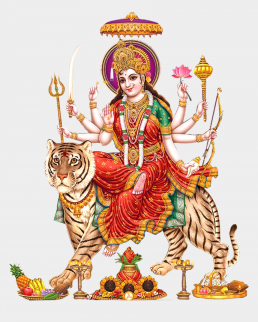
The Devi Kavacham is an integral part of the Devi Mahatmyam , one of the most revered texts in Shakta Hinduism. (The Devi Mahatmyam, also known as Durga Saptashati or Chandi Path, is a Sanskrit text that narrates the glory and divine deeds of the Divine Mother, particularly her victory over various demons, and forms a central portion of the Markandeya Purana. This sacred scripture consists of 700 verses divided into thirteen chapters, celebrating the supreme power of the Divine Feminine principle. ) The Devi Kavacham serves as a protective prelude to this great text, establishing spiritual armor before engaging with the powerful narratives and mantras that follow.
The kavacham opens with Sage Markandeya addressing Brahma (Pitamaha), requesting the revelation of the supreme secret that provides complete protection to all beings – a sacred knowledge that has never been disclosed before. This dialogue framework positions the kavacham as divinely revealed wisdom, emphasizing its supreme efficacy and sanctity. The text represents a conversation between the sage and the creator god, where Brahma unveils this ultimate protective mantra as the most potent spiritual armor available to humanity.
This comprehensive protective hymn comprises over 50 verses that systematically invoke the Divine Mother’s protection for every part of the body and every aspect of existence. The verses methodically progress from head to feet, calling upon various names and forms of the goddess while requesting her shield against all forms of negativity, danger, and spiritual obstacles. Each invocation creates layers of divine protection, building an impenetrable fortress of sacred energy. The kavacham holds exceptional importance within Devi worship and is traditionally recited before the main Devi Mahatmyam text, serving both as spiritual preparation and protective invocation. Many practitioners consider it essential for creating the proper sacred atmosphere for deeper worship, believing it purifies the devotee and establishes a direct connection with the Divine Mother’s protective grace.
Other Durga Shlokams
Ahalya Draupadi Sita Tara
Meditate upon the five virtuous devis eternally - Ahalya, Draupadi, Sita, Tara and Mandodari - and all atrocities and sins will be destroyed
Argala Stotram
The Argala Stotram is a powerful hymn dedicated to Goddess Durga, often recited during the Chandi Path or Durga Saptashati.
Ayigiri Nandini
The Mahishasura Mardini Stotram also known popularly as Aigiri Nandini, holds immense significance during Navratri. The word Mahisha means buffalo and Asura means Rakshasa or Demon. Composed by the great sage Adi Shankaracharya around 810 AD, this…
Ayigiri Nandini – Chanting – English
The Mahishasura Mardini Stotram also known popularly as Aigiri Nandini, holds immense significance during Navratri. The word Mahisha means buffalo and Asura means Rakshasa or Demon. Composed by the great sage Adi Shankaracharya around 810 AD, this…
Ayigiri Nandini – Chanting – Sanskrit
The Mahishasura Mardini Stotram also known popularly as Aigiri Nandini, holds immense significance during Navratri. The word Mahisha means buffalo and Asura means Rakshasa or Demon. Composed by the great sage Adi Shankaracharya around 810 AD, this…
Bhavani Ashtakam
Composed by Sri Adi Shankaracharya. Bhavani Ashtakam is a popular hymn on Goddess Bhavani, who is known for her protection and merciful nature. The Lyrics of this hymn have an in-depth meaning that wh
Bhavani Bhujangam
Bhavani Bhujanga Stotra is composed by Shri Adi Shankaracharya. He praises the glorious beauty of Bhavani (Goddess Parvati) from head to toe. Bhavānī means the deity who always
Devi Aparadha Kshamapana Stotram
Composed by Sri Adi Shankaracharya. Aparadha Kshamapana stotram is usually recited after a recital or after the completion of Puja. Its like asking for forgiveness from Goddess for various mistakes th
Devi Suktam
Devi Suktam or the Vaak Sutam (Vak suktam) occurs in the 10th mandala of Rig Veda Samhita as suktam number 125. The seer of the mantra is vak, the daughter of rishi ambharnaa,
Durga Chalisa
The Durga Chalisa is a popular devotional hymn of forty verses dedicated to Goddess Durga, written in Hindi/Awadhi. The format follows the traditional chalisa structure,
Durga Devi Kavacham
The Durga Devi Kavacham is a sacred protective hymn dedicated to Goddess Durga, where "kavacham" literally means "armour." This powerful prayer serves as spiritual prote
Durga Suktam
The Durga Suktam is a Vedic hymn found in the Maha Narayana Upanishad, primarily addressed to Agni (the god of fire) as a representation of the Divine Mother Durga's fie
Kalika Ashtakam
The Kalika Ashtakam is a Sanskrit hymn of eight verses dedicated to Goddess Kali, the fierce and protective form of the Divine Mother. This devotional text focuses on Ka
Kamakshi Stotram
Composed by Sri Adi Shankaracharya. Goddess Kamakshi is a form of Tripura Sundari or Parvati or the universal mother goddess. The word is derived from the heritage “Ka” meaning Goddess Saraswati (Godd
Keelaka Stotram
Rishi Markandeya tells his disciples in sixteen shlokas the ways and means of removing obstacles faced by devotees while reading Devi Mahatmya. Keelaka here refers to a "pin" o
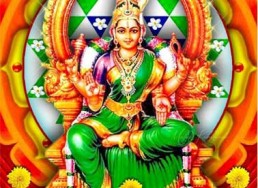
Lalitha Panchakam
Composed by Sri Adi Shankaracharya in praise of mother Lalitha. The phalastuti of the stotram says the divine mother will give good knowledge, wealth, fame, happiness, fortune, and prosperity.
Lalitha Sahasranamam
Lalitha Sahasranamam is a sacred Hindu text from the Brahmanda Purana which lists the thousand names of the Hindu mother goddess Lalita Devi, a manifestation of the Divine Mother (Shakti), and is therefore used in the worship of Durga, Parvati,…
Mahishasura Mardini Storam
Mahishasura Mardini Stotram - This is a prayer to the Goddess who killed Mahishasura. “The place where Sri Mahishasura Mardini Stotram is sung every day, I will always be present and never leave.” - The Devi’s proclamation in the 12th chapter of the…
Navadurga Stotram
The Navadurga Stotram is a sacred hymn dedicated to the nine forms of Goddess Durga, collectively known as the Navadurga (nava means nine). This devotional text holds sp
Navratri
Significance of Navaratri. Shlokas and Stotrams and Songs to be chanted during Navratri. All in one page without ads.
Sarva Mangala Mangalye
Sarva Mangala Mangalye - Salutations to you O Narayani, who is the auspiciousness of all that is auspicious, the consort of Lord Shiva, who is the means of accomplishing all desires, and who is the refuge of all, the consort of the three eyed Shiva,…
Shakradaya Stuti
This famous stuti is sung by Shakra (Indra) and the other devas in praise of Durga. This is part of Chandi path which is a text about Goddess Chandi. It is also called Durga Saptashati or 700 verses r
Sri Durga Saptashloki
The Sri Durga Saptashloki is a powerful hymn composed of seven sacred verses in praise of Goddess Durga, extracted from the revered Devi Mahatmyam (also known as Chandi
Tantrokta Ratri Suktam
Ratri Sukta is one of the famous hymn to Goddess Durga. This in true essence praises the latent energy in Narayana and in every sadhak. Ratri Suktam is used to invoke that energy and to enhance the mi
Uma Usha Ca Vaidehi
Meditate upon the five devis- Uma, Usha, Vaidehi, Ramaa, Ganga at dawn and prosperity will grow for ever.
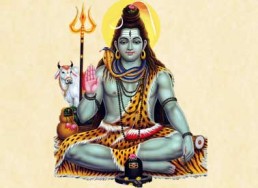
Vagarthaviva Sampruktau
Kalidasa prays to the divine parents Paarvathi & Parameshwara who are inseparable like the word and its meaning, in order to guide him in acquiring the power of words and their meanings (literature) as he embarks on the Mahakavya, Raghuvamsa.
Devi Kavacham – Durga – In Sanskrit, English Translation, Meaning, Significance and Audio.