
Durga Devi Kavacham
श्रीगणेशाय नमः ।
śrīgaṇeśāya namaḥ .
शृणु देवि प्रवक्ष्यामि कवचं सर्वसिद्धिदम् ।
पठित्वा पाठयित्वा च नरो मुच्येत सङ्कटात् ॥ १ ॥
śṛṇu devi pravakṣyāmi kavacaṃ sarvasiddhidam .
paṭhitvā pāṭhayitvā ca naro mucyeta saṅkaṭāt .. 1 ..
स नाप्नोति फलं तस्य परं च नरकं व्रजेत् ॥ २ ॥
sa nāpnoti phalaṃ tasya paraṃ ca narakaṃ vrajet .. 2 ..
गोपनीयं प्रयत्नेन सावधानवधारय ॥ ३ ॥
gopanīyaṃ prayatnena sāvadhānavadhāraya .. 3 ..
चक्षुषी खेचरी पातु कर्णौ चत्वरवासिनी ॥ ४ ॥
cakṣuṣī khecarī pātu karṇau catvaravāsinī .. 4 ..
जिह्वां च चण्डिकादेवी ग्रीवां सौभद्रिका तथा ॥ ५ ॥
jihvāṃ ca caṇḍikādevī grīvāṃ saubhadrikā tathā .. 5 ..
कण्ठं पातु महावाणी जगन्माता स्तनद्वयम् ॥ ६ ॥
kaṇṭhaṃ pātu mahāvāṇī jaganmātā stanadvayam .. 6 ..
कटिं भगवती देवी द्वावूरू विन्ध्यवासिनी ॥ ७ ॥
kaṭiṃ bhagavatī devī dvāvūrū vindhyavāsinī .. 7 ..
एवं स्थिताऽसि देवि त्वं त्रैलोक्ये रक्षणात्मिका ।
रक्ष मां सर्वगात्रेषु दुर्गे देवि नमोऽस्तुते ॥ ८ ॥
evaṃ sthitā’si devi tvaṃ trailokye rakṣaṇātmikā .
rakṣa māṃ sarvagātreṣu durge devi namo’stute .. 8 ..
यः पठेत्प्रातरुत्थाय स हि तीर्थफलं लभेत् ॥ ९ ॥
yaḥ paṭhetprātarutthāya sa hi tīrthaphalaṃ labhet .. 9 ..
भूतप्रेतपिशाचेभ्यो भयं तस्य न विद्यते ॥ १० ॥
bhūtapretapiśācebhyo bhayaṃ tasya na vidyate .. 10 ..
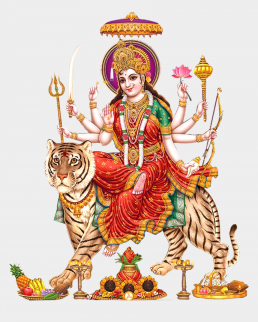
Durga Devi Kavacham – Introduction
The Durga Devi Kavacham is a sacred protective hymn dedicated to Goddess Durga, where “kavacham” literally means “armour.” This powerful prayer serves as spiritual protection for devotees, with the opening verse establishing its purpose: “Listen, O Goddess, I shall recite this kavacham which grants all accomplishments. By reciting or teaching it, a person is freed from all troubles.” The text is a means of spiritual empowerment and divine intervention against life’s difficulties.
Structurally, the kavacham follows the traditional format of protective mantras by systematically invoking Goddess Durga’s protection for different parts of the body and various aspects of life. Each verse typically calls upon specific names and forms of the goddess while requesting her divine shield against negative forces, creating a comprehensive spiritual armor. The hymn weaves together devotional praise with practical appeals for protection.
The kavacham holds particular significance in devotional practice and is commonly recited during Navaratri festivals, times of personal crisis, daily spiritual routines, and before important undertakings. Regular recitation creates a protective energy field around the practitioner, combining the power of sacred sound with heartfelt devotion. This text exemplifies Durga’s role as the protective mother deity who not only shields her children from harm but also empowers them with strength and wisdom to overcome life’s challenges, making it a cornerstone of Devi worship and personal spiritual protection.
Other Durga Shlokams
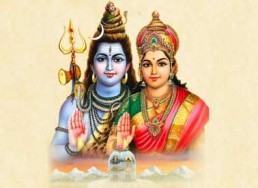
Ahalya Draupadi Sita Tara
Meditate upon the five virtuous devis eternally - Ahalya, Draupadi, Sita, Tara and Mandodari - and all atrocities and sins will be destroyed
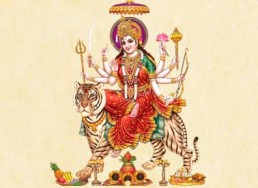
Argala Stotram
The Argala Stotram is a powerful hymn dedicated to Goddess Durga, often recited during the Chandi Path or Durga Saptashati.
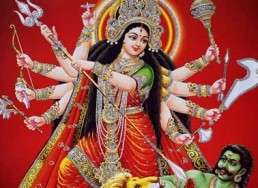
Ayigiri Nandini
The Mahishasura Mardini Stotram also known popularly as Aigiri Nandini, holds immense significance during Navratri. The word Mahisha means buffalo and Asura means Rakshasa or Demon. Composed by the great sage Adi Shankaracharya around 810 AD, this…
Ayigiri Nandini – Chanting – English
The Mahishasura Mardini Stotram also known popularly as Aigiri Nandini, holds immense significance during Navratri. The word Mahisha means buffalo and Asura means Rakshasa or Demon. Composed by the great sage Adi Shankaracharya around 810 AD, this…
Ayigiri Nandini – Chanting – Sanskrit
The Mahishasura Mardini Stotram also known popularly as Aigiri Nandini, holds immense significance during Navratri. The word Mahisha means buffalo and Asura means Rakshasa or Demon. Composed by the great sage Adi Shankaracharya around 810 AD, this…
Bhavani Ashtakam
Composed by Sri Adi Shankaracharya. Bhavani Ashtakam is a popular hymn on Goddess Bhavani, who is known for her protection and merciful nature. The Lyrics of this hymn have an in-depth meaning that wh
Bhavani Bhujangam
Bhavani Bhujanga Stotra is composed by Shri Adi Shankaracharya. He praises the glorious beauty of Bhavani (Goddess Parvati) from head to toe. Bhavānī means the deity who always
Devi Aparadha Kshamapana Stotram
Composed by Sri Adi Shankaracharya. Aparadha Kshamapana stotram is usually recited after a recital or after the completion of Puja. Its like asking for forgiveness from Goddess for various mistakes th
Devi Kavacham
The Devi Kavacham is an integral part of the Devi Mahatmyam , one of the most revered text
Devi Suktam
Devi Suktam or the Vaak Sutam (Vak suktam) occurs in the 10th mandala of Rig Veda Samhita as suktam number 125. The seer of the mantra is vak, the daughter of rishi ambharnaa,
Durga Chalisa
The Durga Chalisa is a popular devotional hymn of forty verses dedicated to Goddess Durga, written in Hindi/Awadhi. The format follows the traditional chalisa structure,
Durga Suktam
The Durga Suktam is a Vedic hymn found in the Maha Narayana Upanishad, primarily addressed to Agni (the god of fire) as a representation of the Divine Mother Durga's fie
Kalika Ashtakam
The Kalika Ashtakam is a Sanskrit hymn of eight verses dedicated to Goddess Kali, the fierce and protective form of the Divine Mother. This devotional text focuses on Ka
Kamakshi Stotram
Composed by Sri Adi Shankaracharya. Goddess Kamakshi is a form of Tripura Sundari or Parvati or the universal mother goddess. The word is derived from the heritage “Ka” meaning Goddess Saraswati (Godd
Keelaka Stotram
Rishi Markandeya tells his disciples in sixteen shlokas the ways and means of removing obstacles faced by devotees while reading Devi Mahatmya. Keelaka here refers to a "pin" o
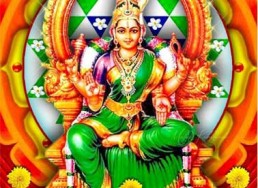
Lalitha Panchakam
Composed by Sri Adi Shankaracharya in praise of mother Lalitha. The phalastuti of the stotram says the divine mother will give good knowledge, wealth, fame, happiness, fortune, and prosperity.
Lalitha Sahasranamam
Lalitha Sahasranamam is a sacred Hindu text from the Brahmanda Purana which lists the thousand names of the Hindu mother goddess Lalita Devi, a manifestation of the Divine Mother (Shakti), and is therefore used in the worship of Durga, Parvati,…
Mahishasura Mardini Storam
Mahishasura Mardini Stotram - This is a prayer to the Goddess who killed Mahishasura. “The place where Sri Mahishasura Mardini Stotram is sung every day, I will always be present and never leave.” - The Devi’s proclamation in the 12th chapter of the…
Navadurga Stotram
The Navadurga Stotram is a sacred hymn dedicated to the nine forms of Goddess Durga, collectively known as the Navadurga (nava means nine). This devotional text holds sp
Navratri
Significance of Navaratri. Shlokas and Stotrams and Songs to be chanted during Navratri. All in one page without ads.
Sarva Mangala Mangalye
Sarva Mangala Mangalye - Salutations to you O Narayani, who is the auspiciousness of all that is auspicious, the consort of Lord Shiva, who is the means of accomplishing all desires, and who is the refuge of all, the consort of the three eyed Shiva,…
Shakradaya Stuti
This famous stuti is sung by Shakra (Indra) and the other devas in praise of Durga. This is part of Chandi path which is a text about Goddess Chandi. It is also called Durga Saptashati or 700 verses r
Sri Durga Saptashloki
The Sri Durga Saptashloki is a powerful hymn composed of seven sacred verses in praise of Goddess Durga, extracted from the revered Devi Mahatmyam (also known as Chandi
Tantrokta Ratri Suktam
Ratri Sukta is one of the famous hymn to Goddess Durga. This in true essence praises the latent energy in Narayana and in every sadhak. Ratri Suktam is used to invoke that energy and to enhance the mi
Uma Usha Ca Vaidehi
Meditate upon the five devis- Uma, Usha, Vaidehi, Ramaa, Ganga at dawn and prosperity will grow for ever.
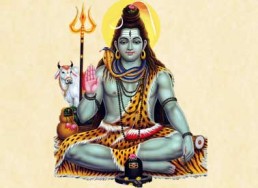
Vagarthaviva Sampruktau
Kalidasa prays to the divine parents Paarvathi & Parameshwara who are inseparable like the word and its meaning, in order to guide him in acquiring the power of words and their meanings (literature) as he embarks on the Mahakavya, Raghuvamsa.
Durga Devi Kavacham – Durga – In Sanskrit, English Translation, Meaning, Significance and Audio.