Navadurga Stotram
देवी शैलपुत्री ।
वन्दे वाञ्छितलाभाय चन्द्रार्धकृतशेखराम् ।
वृषारूढां शूलधरां शैलपुत्रीं यशस्विनीम् ॥
devī śailaputrī .
vande vāñchitalābhāya candrārdhakṛtaśekharām .
vṛṣārūḍhāṃ śūladharāṃ śailaputrīṃ yaśasvinīm ..
दधाना करपद्माभ्यामक्षमालाकमण्डलू ।
देवी प्रसीदतु मयि ब्रह्मचारिण्यनुत्तमा ॥
dadhānā karapadmābhyāmakṣamālākamaṇḍalū .
devī prasīdatu mayi brahmacāriṇyanuttamā ..
पिण्डजप्रवरारूढा चण्डकोपास्त्रकैर्युता ।
प्रसादं तनुते मह्यं चन्द्रघण्टेति विश्रुता ॥
piṇḍajapravarārūḍhā caṇḍakopāstrakairyutā .
prasādaṃ tanute mahyaṃ candraghaṇṭeti viśrutā ..
सुरासम्पूर्णकलशं रुधिराप्लुतमेव च ।
दधाना हस्तपद्माभ्यां कूष्माण्डा शुभदास्तु मे ॥
surāsampūrṇakalaśaṃ rudhirāplutameva ca .
dadhānā hastapadmābhyāṃ kūṣmāṇḍā śubhadāstu me ..
सिंहासनगता नित्यं पद्माश्रितकरद्वया ।
शुभदास्तु सदा देवी स्कन्दमाता यशस्विनी ॥
siṃhāsanagatā nityaṃ padmāśritakaradvayā .
śubhadāstu sadā devī skandamātā yaśasvinī ..
चन्द्रहासोज्ज्वलकरा शार्दूलवरवाहना ।
कात्यायनी शुभं दद्यादेवी दानवघातिनी ॥
candrahāsojjvalakarā śārdūlavaravāhanā .
kātyāyanī śubhaṃ dadyādevī dānavaghātinī ..
एकवेणी जपाकर्णपूरा नग्ना खरास्थिता ।
लम्बोष्ठी कर्णिकाकर्णी तैलाभ्यक्तशरीरिणी ॥
ekaveṇī japākarṇapūrā nagnā kharāsthitā .
lamboṣṭhī karṇikākarṇī tailābhyaktaśarīriṇī ..
वर्धन्मूर्धध्वजा कृष्णा कालरात्रिर्भयङ्करी ॥
vardhanmūrdhadhvajā kṛṣṇā kālarātrirbhayaṅkarī ..
श्वेते वृषे समारूढा श्वेताम्बरधरा शुचिः ।
महागौरी शुभं दद्यान्महादेवप्रमोददा ॥
śvete vṛṣe samārūḍhā śvetāmbaradharā śuciḥ .
mahāgaurī śubhaṃ dadyānmahādevapramodadā ..
सिद्धगन्धर्वयक्षाद्यैरसुरैरमरैरपि ।
सेव्यमाना सदा भूयात् सिद्धिदा सिद्धिदायिनी ॥
siddhagandharvayakṣādyairasurairamarairapi .
sevyamānā sadā bhūyāt siddhidā siddhidāyinī ..
Navadurga Stotram – Introduction
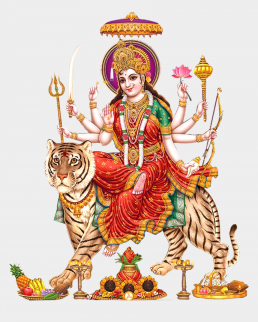
The Navadurga Stotram is a sacred hymn dedicated to the nine forms of Goddess Durga, collectively known as the Navadurga (nava means nine). This devotional text holds special significance during the nine-day festival of Navaratri, when each form of the goddess is worshipped on successive days. The stotram serves as a comprehensive prayer that honors the divine feminine in her various manifestations, from the gentle mountain daughter to the fierce destroyer of evil. Each verse is dedicated to one of the nine forms, beginning with Shailaputri and progressing through Brahmacharini, Chandraghanta, Kushmanda, Skandamata, Katyayani, Kalaratri, Mahagauri, and concluding with Siddhidatri.
The Navadurga Stotram encompasses the complete spectrum of divine feminine energy, from nurturing motherhood to fierce protection. Each of the nine verses captures the unique attributes, iconography, and spiritual significance of the respective goddess form. The hymn progresses through various aspects of divine power.
Nine forms of Durga
- Shailaputri (1st Day of Navaratri)
Meaning: “Daughter of the Mountain” (Shaila = mountain, Putri = daughter)
The daughter of the mountains, depicted riding a bull and carrying a trident. She is worshipped for strength, stability, and grounding energy to begin the spiritual journey. - Brahmacharini (2nd Day of Navaratri)
Meaning: “One who practices devotion” (Brahma = divine/sacred, Charini = one who moves/practices)
The ascetic form holding a rosary and water pot, representing penance and devotion. She is worshipped for wisdom, knowledge, and spiritual discipline in studies and meditation. - Chandraghanta (3rd Day of Navaratri)
Meaning: “Moon Bell” (Chandra = moon, Ghanta = bell)
The warrior goddess with a crescent moon on her forehead, riding a tiger. She is worshipped for courage, protection from enemies, and victory in battles both external and internal. - Kushmanda (4th Day of Navaratri)
Meaning: “Creator of the Universe” (Ku = little, Ushma = warmth/energy, Anda = egg/universe)
The cosmic creator with eight arms, residing in the sun’s core and holding various weapons. She is worshipped for health, wealth, prosperity, and the power of creation and manifestation. - Skandamata (5th Day of Navaratri)
Meaning: “Mother of Skanda” (Skanda = Lord Kartikeya, Mata = mother)
The mother of Lord Skanda (Kartikeya), depicted holding her son while riding a lion. She is worshipped for motherly protection, fertility, and blessings for children and family welfare. - Katyayani (6th Day of Navaratri)
Meaning: “Daughter of Sage Katyayana” (born from Sage Katyayana’s penance)
The fierce warrior goddess born from the combined energies of all gods to defeat Mahishasura. She is worshipped for marriage, love relationships, and the destruction of evil forces. - Kalaratri (7th Day of Navaratri)
Meaning: “Night of Death/Destruction” (Kala = time/death, Ratri = night)
The dark, fierce form with four arms riding a donkey, destroyer of demons and negativity. She is worshipped for protection from fear, removal of obstacles, and elimination of negative energies. - Mahagauri (8th Day of Navaratri)
Meaning: “Great White One” (Maha = great, Gauri = fair/white)
The radiant, white-complexioned goddess symbolizing purity and peace. She is worshipped for purification of sins, inner cleansing, and attaining spiritual enlightenment and serenity. - Siddhidatri (9th Day of Navaratri)
Meaning: “Giver of Supernatural Powers” (Siddhi = supernatural powers, Datri = giver)
The supreme goddess who grants all supernatural powers (siddhis) and sits on a lotus. She is worshipped for the fulfillment of desires, spiritual accomplishments, and the attainment of divine powers.
This Navadurga stotram is traditionally recited during Navaratri celebrations, daily worship, and personal spiritual practice, believed to invoke the blessings and protection of all nine forms of the Divine Mother while guiding devotees through different stages of spiritual evolution.
Other Durga Shlokams
Ahalya Draupadi Sita Tara
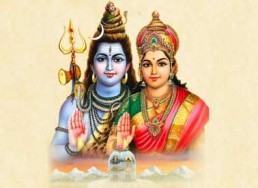
Meditate upon the five virtuous devis eternally - Ahalya, Draupadi, Sita, Tara and Mandodari - and all atrocities and sins will be destroyed
Argala Stotram
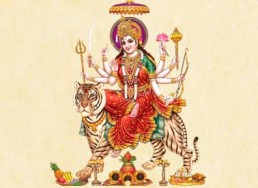
The Argala Stotram is a powerful hymn dedicated to Goddess Durga, often recited during the Chandi Path or Durga Saptashati.
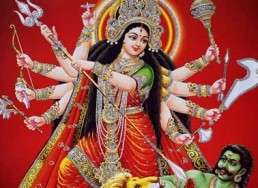
Ayigiri Nandini
The Mahishasura Mardini Stotram also known popularly as Aigiri Nandini, holds immense significance during Navratri. The word Mahisha means buffalo and Asura means Rakshasa or Demon. Composed by the great sage Adi Shankaracharya around 810 AD, this…
Ayigiri Nandini – Chanting – English
The Mahishasura Mardini Stotram also known popularly as Aigiri Nandini, holds immense significance during Navratri. The word Mahisha means buffalo and Asura means Rakshasa or Demon. Composed by the great sage Adi Shankaracharya around 810 AD, this…
Ayigiri Nandini – Chanting – Sanskrit
The Mahishasura Mardini Stotram also known popularly as Aigiri Nandini, holds immense significance during Navratri. The word Mahisha means buffalo and Asura means Rakshasa or Demon. Composed by the great sage Adi Shankaracharya around 810 AD, this…
Bhavani Ashtakam
Composed by Sri Adi Shankaracharya. Bhavani Ashtakam is a popular hymn on Goddess Bhavani, who is known for her protection and merciful nature. The Lyrics of this hymn have an in-depth meaning that wh
Bhavani Bhujangam
Bhavani Bhujanga Stotra is composed by Shri Adi Shankaracharya. He praises the glorious beauty of Bhavani (Goddess Parvati) from head to toe. Bhavānī means the deity who always
Devi Aparadha Kshamapana Stotram
Composed by Sri Adi Shankaracharya. Aparadha Kshamapana stotram is usually recited after a recital or after the completion of Puja. Its like asking for forgiveness from Goddess for various mistakes th
Devi Kavacham
The Devi Kavacham is an integral part of the Devi Mahatmyam , one of the most revered text
Devi Suktam
Devi Suktam or the Vaak Sutam (Vak suktam) occurs in the 10th mandala of Rig Veda Samhita as suktam number 125. The seer of the mantra is vak, the daughter of rishi ambharnaa,
Durga Chalisa
The Durga Chalisa is a popular devotional hymn of forty verses dedicated to Goddess Durga, written in Hindi/Awadhi. The format follows the traditional chalisa structure,
Durga Devi Kavacham
The Durga Devi Kavacham is a sacred protective hymn dedicated to Goddess Durga, where "kavacham" literally means "armour." This powerful prayer serves as spiritual prote
Durga Suktam
The Durga Suktam is a Vedic hymn found in the Maha Narayana Upanishad, primarily addressed to Agni (the god of fire) as a representation of the Divine Mother Durga's fie
Kalika Ashtakam
The Kalika Ashtakam is a Sanskrit hymn of eight verses dedicated to Goddess Kali, the fierce and protective form of the Divine Mother. This devotional text focuses on Ka
Kamakshi Stotram
Composed by Sri Adi Shankaracharya. Goddess Kamakshi is a form of Tripura Sundari or Parvati or the universal mother goddess. The word is derived from the heritage “Ka” meaning Goddess Saraswati (Godd
Keelaka Stotram
Rishi Markandeya tells his disciples in sixteen shlokas the ways and means of removing obstacles faced by devotees while reading Devi Mahatmya. Keelaka here refers to a "pin" o
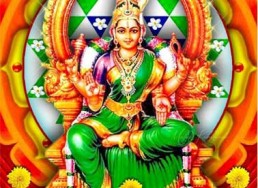
Lalitha Panchakam
Composed by Sri Adi Shankaracharya in praise of mother Lalitha. The phalastuti of the stotram says the divine mother will give good knowledge, wealth, fame, happiness, fortune, and prosperity.
Lalitha Sahasranamam
Lalitha Sahasranamam is a sacred Hindu text from the Brahmanda Purana which lists the thousand names of the Hindu mother goddess Lalita Devi, a manifestation of the Divine Mother (Shakti), and is therefore used in the worship of Durga, Parvati,…
Mahishasura Mardini Storam
Mahishasura Mardini Stotram - This is a prayer to the Goddess who killed Mahishasura. “The place where Sri Mahishasura Mardini Stotram is sung every day, I will always be present and never leave.” - The Devi’s proclamation in the 12th chapter of the…
Navratri
Significance of Navaratri. Shlokas and Stotrams and Songs to be chanted during Navratri. All in one page without ads.
Sarva Mangala Mangalye
Sarva Mangala Mangalye - Salutations to you O Narayani, who is the auspiciousness of all that is auspicious, the consort of Lord Shiva, who is the means of accomplishing all desires, and who is the refuge of all, the consort of the three eyed Shiva,…
Shakradaya Stuti
This famous stuti is sung by Shakra (Indra) and the other devas in praise of Durga. This is part of Chandi path which is a text about Goddess Chandi. It is also called Durga Saptashati or 700 verses r
Sri Durga Saptashloki
The Sri Durga Saptashloki is a powerful hymn composed of seven sacred verses in praise of Goddess Durga, extracted from the revered Devi Mahatmyam (also known as Chandi
Tantrokta Ratri Suktam
Ratri Sukta is one of the famous hymn to Goddess Durga. This in true essence praises the latent energy in Narayana and in every sadhak. Ratri Suktam is used to invoke that energy and to enhance the mi
Uma Usha Ca Vaidehi
Meditate upon the five devis- Uma, Usha, Vaidehi, Ramaa, Ganga at dawn and prosperity will grow for ever.
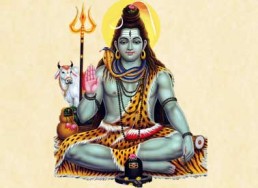
Vagarthaviva Sampruktau
Kalidasa prays to the divine parents Paarvathi & Parameshwara who are inseparable like the word and its meaning, in order to guide him in acquiring the power of words and their meanings (literature) as he embarks on the Mahakavya, Raghuvamsa.
Navadurga Stotram – Durga – In Sanskrit, English Translation, Meaning, Significance and Audio.