
Sri Durga Saptashloki
। अथ सप्तश्लोकी दुर्गा ।
शिव उवाच
देवि त्वं भक्तसुलभे सर्वकार्यविधायिनी ।
कलौ हि कार्यसिद्ध्यर्थमुपायं ब्रूहि यत्नतः ॥
. atha saptaślokī durgā .
śiva uvāca
devi tvaṃ bhaktasulabhe sarvakāryavidhāyinī .
kalau hi kāryasiddhyarthamupāyaṃ brūhi yatnataḥ ..
Shiva said: O Devi, You are easily accessible to devotees and the accomplisher of all tasks. Please tell me earnestly the means for achieving success in all endeavors during the Kali Yuga.
शृणु देव प्रवक्ष्यामि कलौ सर्वेष्टसाधनम् ।
मया तवैव स्नेहेनाप्यम्बास्तुतिः प्रकाश्यते ॥
śṛṇu deva pravakṣyāmi kalau sarveṣṭasādhanam .
mayā tavaiva snehenāpyambāstutiḥ prakāśyate ..
अनुष्टुभादीनि छन्दांसि । श्रीमहाकालीमहालक्ष्मीमहासरस्वत्यो देवताः ।
श्रीदूर्गाप्रीत्यर्थं सप्तश्लोकी दुर्गापाठे विनियोगः ॥
anuṣṭubhādīni chandāṃsi . śrīmahākālīmahālakṣmīmahāsarasvatyo devatāḥ .
śrīdūrgāprītyarthaṃ saptaślokī durgāpāṭhe viniyogaḥ ..
बलादाकृष्य मोहाय महामाया प्रयच्छति ॥ १॥
balādākṛṣya mohāya mahāmāyā prayacchati .. 1..
स्वस्थैः स्मृता मतिमतीव शुभां ददासि ।
दारिद्र्यदुःखभयहारिणि का त्वदन्या
सर्वोपकारकरणाय सदाऽऽर्द्रचित्ता ॥ २॥
svasthaiḥ smṛtā matimatīva śubhāṃ dadāsi .
dāridryaduḥkhabhayahāriṇi kā tvadanyā
sarvopakārakaraṇāya sadā”rdracittā .. 2..
शरण्ये त्र्यम्बके गौरि नारायणि नमोऽस्तु ते ॥ ३॥
śaraṇye tryambake gauri nārāyaṇi namo’stu te .. 3..
सर्वस्यार्तिहरे देवि नारायणि नमोऽस्तु ते ॥ ४॥
sarvasyārtihare devi nārāyaṇi namo’stu te .. 4..
भयेभ्यस्त्राहि नो देवि दुर्गे देवि नमोऽस्तु ते ॥ ५॥
bhayebhyastrāhi no devi durge devi namo’stu te .. 5..
त्वामाश्रितानां न विपन्नराणां त्वामाश्रिता ह्याश्रयतां प्रयान्ति ॥ ६॥
tvāmāśritānāṃ na vipannarāṇāṃ tvāmāśritā hyāśrayatāṃ prayānti .. 6..
एवमेव त्वया कार्यमस्मद्वैरि विनाशनम् ॥ ७॥
॥ इति दुर्गासप्तश्लोकी सम्पूर्णा ॥
evameva tvayā kāryamasmadvairi vināśanam .. 7..
.. iti durgāsaptaślokī sampūrṇā ..
Sri Durga Saptashloki – Introduction
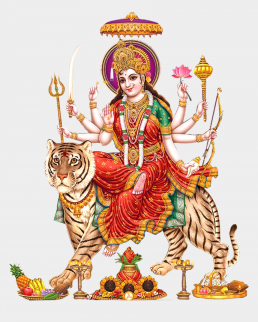
The hymn presents Goddess Durga in her multifaceted glory – as Mahakali (the destroyer of ignorance), Mahalakshmi (the bestower of prosperity), and Mahasaraswati (the giver of wisdom). Each verse beautifully captures different aspects of the Divine Mother’s benevolence: her ability to transcend even the consciousness of the wise through her Maya, her role as the remover of fears and bestower of auspiciousness, her compassionate protection of devotees, and her supreme power over all creation. The Saptashloki serves as both a prayer for protection from worldly troubles and a profound meditation on the nature of divine consciousness, making it one of the most beloved and frequently recited hymns in the Hindu tradition.
Other Durga Shlokams
Argala Stotram
The Argala Stotram is a powerful hymn dedicated to Goddess Durga, often recited during the Chandi Path or Durga Saptashati.
Ayigiri Nandini
The Mahishasura Mardini Stotram also known popularly as Aigiri Nandini, holds immense significance during Navratri. The word Mahisha means buffalo and Asura means Rakshasa or Demon. Composed by the great sage Adi Shankaracharya around 810 AD, this…
Ayigiri Nandini – Chanting – English
The Mahishasura Mardini Stotram also known popularly as Aigiri Nandini, holds immense significance during Navratri. The word Mahisha means buffalo and Asura means Rakshasa or Demon. Composed by the great sage Adi Shankaracharya around 810 AD, this…
Ayigiri Nandini – Chanting – Sanskrit
The Mahishasura Mardini Stotram also known popularly as Aigiri Nandini, holds immense significance during Navratri. The word Mahisha means buffalo and Asura means Rakshasa or Demon. Composed by the great sage Adi Shankaracharya around 810 AD, this…
Devi Aparadha Kshamapana Stotram
Composed by Sri Adi Shankaracharya. Aparadha Kshamapana stotram is usually recited after a recital or after the completion of Puja. Its like asking for forgiveness from Goddess for various mistakes th
Devi Kavacham
The Devi Kavacham is an integral part of the Devi Mahatmyam , one of the most revered text
Devi Suktam
Devi Suktam or the Vaak Sutam (Vak suktam) occurs in the 10th mandala of Rig Veda Samhita as suktam number 125. The seer of the mantra is vak, the daughter of rishi ambharnaa,
Durga Chalisa
The Durga Chalisa is a popular devotional hymn of forty verses dedicated to Goddess Durga, written in Hindi/Awadhi. The format follows the traditional chalisa structure,
Durga Devi Kavacham
The Durga Devi Kavacham is a sacred protective hymn dedicated to Goddess Durga, where "kavacham" literally means "armour." This powerful prayer serves as spiritual prote
Durga Suktam
The Durga Suktam is a Vedic hymn found in the Maha Narayana Upanishad, primarily addressed to Agni (the god of fire) as a representation of the Divine Mother Durga's fie
Kalika Ashtakam
The Kalika Ashtakam is a Sanskrit hymn of eight verses dedicated to Goddess Kali, the fierce and protective form of the Divine Mother. This devotional text focuses on Ka
Keelaka Stotram
Rishi Markandeya tells his disciples in sixteen shlokas the ways and means of removing obstacles faced by devotees while reading Devi Mahatmya. Keelaka here refers to a "pin" o
Mahishasura Mardini Storam
Mahishasura Mardini Stotram - This is a prayer to the Goddess who killed Mahishasura. “The place where Sri Mahishasura Mardini Stotram is sung every day, I will always be present and never leave.” - The Devi’s proclamation in the 12th chapter of the…
Navadurga Stotram
The Navadurga Stotram is a sacred hymn dedicated to the nine forms of Goddess Durga, collectively known as the Navadurga (nava means nine). This devotional text holds sp
Navratri
Significance of Navaratri. Shlokas and Stotrams and Songs to be chanted during Navratri. All in one page without ads.
Sarva Mangala Mangalye
Sarva Mangala Mangalye - Salutations to you O Narayani, who is the auspiciousness of all that is auspicious, the consort of Lord Shiva, who is the means of accomplishing all desires, and who is the refuge of all, the consort of the three eyed Shiva,…
Shakradaya Stuti
This famous stuti is sung by Shakra (Indra) and the other devas in praise of Durga. This is part of Chandi path which is a text about Goddess Chandi. It is also called Durga Saptashati or 700 verses r
Tantrokta Ratri Suktam
Ratri Sukta is one of the famous hymn to Goddess Durga. This in true essence praises the latent energy in Narayana and in every sadhak. Ratri Suktam is used to invoke that energy and to enhance the mi
Sri Durga Saptashloki – Durga – In Sanskrit, English Translation, Meaning, Significance and Audio.