
Welcome to the Navratri home page where you can learn about it’s significance, enjoy a great collection of Shlokas related to the divine Mother, Shakti, Durga with lyrics, translation, audio and significance. And listen to popular devotional songs. All ad-free!
Ayigiri Nandini – Chanting – English
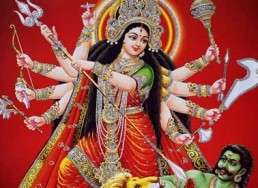
The Mahishasura Mardini Stotram also known popularly as Aigiri Nandini, holds immense significance during Navratri. The word Mahisha means buffalo and Asura means Rakshasa or Demon. Composed by the great sage Adi Shankaracharya around 810 AD, this…
Ayigiri Nandini – Chanting – Sanskrit
The Mahishasura Mardini Stotram also known popularly as Aigiri Nandini, holds immense significance during Navratri. The word Mahisha means buffalo and Asura means Rakshasa or Demon. Composed by the great sage Adi Shankaracharya around 810 AD, this…
Ayigiri Nandini
The Mahishasura Mardini Stotram also known popularly as Aigiri Nandini, holds immense significance during Navratri. The word Mahisha means buffalo and Asura means Rakshasa or Demon. Composed by the great sage Adi Shankaracharya around 810 AD, this…
Sri Durga Saptashloki
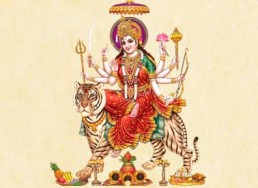
The Sri Durga Saptashloki is a powerful hymn composed of seven sacred verses in praise of Goddess Durga, extracted from the revered Devi Mahatmyam (also known as Chandi
Lalitha Sahasranamam
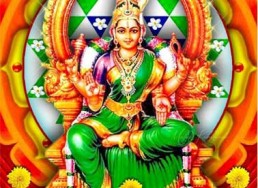
Lalitha Sahasranamam is a sacred Hindu text from the Brahmanda Purana which lists the thousand names of the Hindu mother goddess Lalita Devi, a manifestation of the Divine Mother (Shakti), and is therefore used in the worship of Durga, Parvati,…
Argala Stotram
The Argala Stotram is a powerful hymn dedicated to Goddess Durga, often recited during the Chandi Path or Durga Saptashati.
Durga Chalisa
The Durga Chalisa is a popular devotional hymn of forty verses dedicated to Goddess Durga, written in Hindi/Awadhi. The format follows the traditional chalisa structure,
Devi Kavacham
The Devi Kavacham is an integral part of the Devi Mahatmyam , one of the most revered text
Durga Devi Kavacham
The Durga Devi Kavacham is a sacred protective hymn dedicated to Goddess Durga, where "kavacham" literally means "armour." This powerful prayer serves as spiritual prote
Navadurga Stotram
The Navadurga Stotram is a sacred hymn dedicated to the nine forms of Goddess Durga, collectively known as the Navadurga (nava means nine). This devotional text holds sp
Lalitha Panchakam
Composed by Sri Adi Shankaracharya in praise of mother Lalitha. The phalastuti of the stotram says the divine mother will give good knowledge, wealth, fame, happiness, fortune, and prosperity.
Devi Suktam
Devi Suktam or the Vaak Sutam (Vak suktam) occurs in the 10th mandala of Rig Veda Samhita as suktam number 125. The seer of the mantra is vak, the daughter of rishi ambharnaa,
Durga Suktam
The Durga Suktam is a Vedic hymn found in the Maha Narayana Upanishad, primarily addressed to Agni (the god of fire) as a representation of the Divine Mother Durga's fie

Kanakadhara Stotram
Kanakadhara Stotram is a hymn (Stotra) composed in Sanskrit by Sri Adi Sankaracharya. Kanakadhara means “stream” (dhara) of “gold” (kanaka). The 21 stanzas of kanakadhārā stotram then became famous and are read by all devout Hindus for……
Mahishasura Mardini Storam
Mahishasura Mardini Stotram - This is a prayer to the Goddess who killed Mahishasura. “The place where Sri Mahishasura Mardini Stotram is sung every day, I will always be present and never leave.” - The Devi’s proclamation in the 12th chapter of the…
Devi Aparadha Kshamapana Stotram
Composed by Sri Adi Shankaracharya. Aparadha Kshamapana stotram is usually recited after a recital or after the completion of Puja. Its like asking for forgiveness from Goddess for various mistakes th
Sarva Mangala Mangalye
Sarva Mangala Mangalye - Salutations to you O Narayani, who is the auspiciousness of all that is auspicious, the consort of Lord Shiva, who is the means of accomplishing all desires, and who is the refuge of all, the consort of the three eyed Shiva,…
Kalika Ashtakam
The Kalika Ashtakam is a Sanskrit hymn of eight verses dedicated to Goddess Kali, the fierce and protective form of the Divine Mother. This devotional text focuses on Ka
Keelaka Stotram
Rishi Markandeya tells his disciples in sixteen shlokas the ways and means of removing obstacles faced by devotees while reading Devi Mahatmya. Keelaka here refers to a "pin" o
Bhavani Ashtakam
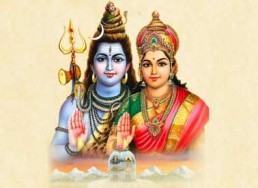
Composed by Sri Adi Shankaracharya. Bhavani Ashtakam is a popular hymn on Goddess Bhavani, who is known for her protection and merciful nature. The Lyrics of this hymn have an in-depth meaning that wh
Bhavani Bhujangam
Bhavani Bhujanga Stotra is composed by Shri Adi Shankaracharya. He praises the glorious beauty of Bhavani (Goddess Parvati) from head to toe. Bhavānī means the deity who always
Kamakshi Stotram
Composed by Sri Adi Shankaracharya. Goddess Kamakshi is a form of Tripura Sundari or Parvati or the universal mother goddess. The word is derived from the heritage “Ka” meaning Goddess Saraswati (Godd
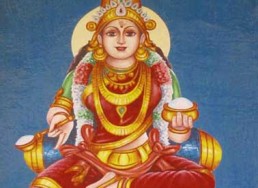
Annapurna Stotram
Annapurna is the goddess of food and nourishment. She is a form of Parvati, the inseparable shakti of Lord Shiva. Anna is translated as "food" and "grains" and purna means "full" or "complete". Annapu
Annapurne Sadapurne
Salutations to Mother Annapoorna: O Mother Annapoorna, You who are always full (with the gift of Food and Blessings), You who are the beloved of Shankara (Shiva), O Mother Parvati, Please grant me the
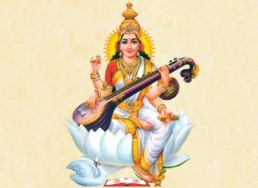
Medha Suktam
Medha Suktam is a Vedic hymn dedicated to Medha Devi (Saraswati), the Goddess of Intellect, from the Mahanaryanopanishad (part of Taittiriya Upanishad, which is a part of Yajur
Sri Suktam
This hymn is found in the Rig Vedic khilanis, which are appendices to the Rigveda that date to pre-Buddhist times. The Śrī Sūkta is one of the Pañca-Sūktam (5 Suktams) recited during the 3-hour long T
Bhoomi Suktam
Bhoomi Suktam or Hymn to Mother Earth is one of the most beautiful hymns that describes the beauty of Mother Earth and imparts lessons regarding the attitude a person must cultivate towards the enviro
Mahālakṣmi aṣṭakam
This Shloka is in praise of Mahalakshmi, the goddess of beauty, prosperity, and good fortune. This is chanted by Indra. Chanting it once daily, destros all sins. Chanting twice daily will bring weal
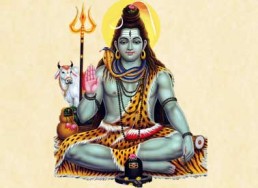
Vagarthaviva Sampruktau
Kalidasa prays to the divine parents Paarvathi & Parameshwara who are inseparable like the word and its meaning, in order to guide him in acquiring the power of words and their meanings (literature) as he embarks on the Mahakavya, Raghuvamsa.
Padmapatra Visalakshi
Wide-eyed as the lotus leaf, with the light saffron colour of lotus as companion, the goddess eternally resident on the lotus - may that Saraswathi protect me.
Prthvi Tvaya Dhrita Loka
Om, O Prithivi devi, by you are borne the entire loka (world); and devi, you in turn are borne by Sri Vishnu, please hold me (on your lap), and make this asana (seat of the worshipper) pure.
Samudravasane Devi
O Goddess who is clothed with the ocean and whose body is adorned by the mountains, wife of Lord Vishnu, I bow to you. Please forgive me for touching you with my feet.
Saranagata Dinarta
My salutations to you O Narayani Devi, you are immersed in the protection of the feeble and the distressed who have taken refuge in you; you are the remover of the distress of all.
Sarasvati Stotram
Composed by sage Agastya. Chanting Saraswati stotram regularly improves memory, speech, and concentration in studies.
Lakshmi Devi Kanakaruchiram
Goddess Lakshmi, beautiful-as-gold, Vishnu's consort, pleasant smiling, goddess Gouri, the joy of the half-lady-featured Lord Pasupathi, goddess Vaani, worshipped by good musical notes, Brahma's belov
Karaagre Vasate Lakshmi
At the fore of the hands resides Lakshmi, and at the middle, Saraswathi; at the root is seated Gauri, (so) see the palm of the hand at dawn (first). - In Sanskrit with English Translation, Audio, Meaning and Significance.
Saraswati Mahabhage
O Devi Saraswati, the most auspicious goddess of knowledge with lotus-like eyes, an embodiment of knowledge with large eyes, kindly bless me with knowledge. I salute you.
Saraswati Namasthubyam
Salutation to you, O Saraswathi, grantor of blessings and embodimentof all wishes, I am getting inducted to studies, may there be fulfilment for me forever.
Saraswati Thriyam Drusthya
O Saraswathi, the seer of all three kaalas, holder of veena and pustaka, seated on the swan as a vehicle, bless me with all education.
Sharada Sharadam Bhoja
Sharada, with a face like the lotus of the sharad season (winter), with two eyes, like the lotuses, on the face, forever O bestower of all things bless us with prosperity and your proximity.
Shuklam Brahma Vicara Sara
(I meditate on devi Sharada) who is pure white in colour, and whose deepest essence can only be fathomed by enquiring into the nature of brahman (absolute consciousness); who is supreme and primeval,
Yaakundendu Tushara Hara
Sarasvatī, Bhagavatī, is of fair complexion like the necklace which is as white as the jasmine, moon and snow, who is dressed in white clothes, whose hands adorn the divine vīņā, who is seated on a wh
Shakradaya Stuti
This famous stuti is sung by Shakra (Indra) and the other devas in praise of Durga. This is part of Chandi path which is a text about Goddess Chandi. It is also called Durga Saptashati or 700 verses r
Ahalya Draupadi Sita Tara
Meditate upon the five virtuous devis eternally - Ahalya, Draupadi, Sita, Tara and Mandodari - and all atrocities and sins will be destroyed
Aham Vaishvanaro Bhutva
Becoming the fire of life, I enter into the bodies of all creatures and mingling with the upward and downward breath I digest the four kinds of food (masticated, drunk, licked, sucked).
Annabrahma Rasovishnu
Deem food as Brahma, drinks as Vishnu and the consumer as Lord Maheswara, with this attitude there will be, no evil-intentioned looks.
Brahmarpanam Brahma Havih
Any means of offering is Brahman, the oblation is Brahman, the fire in which the offering is made is Brahman, and the one who offers is Brahman. Such a person who abides in Brahman indeed gains Brahma
Tantrokta Ratri Suktam
Ratri Sukta is one of the famous hymn to Goddess Durga. This in true essence praises the latent energy in Narayana and in every sadhak. Ratri Suktam is used to invoke that energy and to enhance the mi
Uma Usha Ca Vaidehi
Meditate upon the five devis- Uma, Usha, Vaidehi, Ramaa, Ganga at dawn and prosperity will grow for ever.
Navratri Songs
Compositions related to the Divine Mother. Play them all or just your favourites, uninterrupted! Click on the 3 dots next to a song for its lyrics.
About Navaratri
Navratri, or the Divine Nine Nights, is a time of deep rest and rejuvenation. Each day is dedicated to one of the nine forms of the Mother Divine. The final day, the 10th day, is called Vijaydashami, the day popularly celebrated as the day of the victory of good over evil but it is really the sattva winning over the other gunas, the one consciousness expressing itself.
The word ratri means that which gives you deep rest or relief from three things, the three tapas. Tapas means the three types of fire or the three botherations – the physical, the subtle and the causal. The three types of botherations: Adi Bhautik – the worldly botheration, Adi Daivik – botherations on the level of the cosmic angels or devas, and then botherations of the soul. Navratri gives a deep rest that can relieve you from all these three botherations, so it’s a time of prayer and rejuvenation.
During Navratri, your mind should be immersed in the divine consciousness. It takes nine months for a baby to be born. So these nine days are like coming out of a mother’s womb once again, having a new birth. During these nine days and nights, one should go inwards and remember the source. Ask yourself these questions, “How was I born?”, “What is my source?”. You should dwell on your consciousness and see these nine days as the nine months.
The first three days are dedicated to Tamo Guna or inertia, the second three days to Rajo Guna or restlessness and activity, and the last three days to Sattva Guna or purity and high prana. The three Gunas that we all possess: Sattva, Rajas and Tamas. And victory over all the Gunas, being centered and celebrating life – the final day is called Vijaydashami or the Victory Day.
Nava Durga – Nine forms of Durga
Significance
- Shailaputri (1st Day of Navaratri)
Meaning: “Daughter of the Mountain” (Shaila = mountain, Putri = daughter)
The daughter of the mountains, depicted riding a bull and carrying a trident. She is worshipped for strength, stability, and grounding energy to begin the spiritual journey. - Brahmacharini (2nd Day of Navaratri)
Meaning: “One who practices devotion” (Brahma = divine/sacred, Charini = one who moves/practices)
The ascetic form holding a rosary and water pot, representing penance and devotion. She is worshipped for wisdom, knowledge, and spiritual discipline in studies and meditation. - Chandraghanta (3rd Day of Navaratri)
Meaning: “Moon Bell” (Chandra = moon, Ghanta = bell)
The warrior goddess with a crescent moon on her forehead, riding a tiger. She is worshipped for courage, protection from enemies, and victory in battles both external and internal. - Kushmanda (4th Day of Navaratri)
Meaning: “Creator of the Universe” (Ku = little, Ushma = warmth/energy, Anda = egg/universe)
The cosmic creator with eight arms, residing in the sun’s core and holding various weapons. She is worshipped for health, wealth, prosperity, and the power of creation and manifestation. - Skandamata (5th Day of Navaratri)
Meaning: “Mother of Skanda” (Skanda = Lord Kartikeya, Mata = mother)
The mother of Lord Skanda (Kartikeya), depicted holding her son while riding a lion. She is worshipped for motherly protection, fertility, and blessings for children and family welfare. - Katyayani (6th Day of Navaratri)
Meaning: “Daughter of Sage Katyayana” (born from Sage Katyayana’s penance)
The fierce warrior goddess born from the combined energies of all gods to defeat Mahishasura. She is worshipped for marriage, love relationships, and the destruction of evil forces. - Kalaratri (7th Day of Navaratri)
Meaning: “Night of Death/Destruction” (Kala = time/death, Ratri = night)
The dark, fierce form with four arms riding a donkey, destroyer of demons and negativity. She is worshipped for protection from fear, removal of obstacles, and elimination of negative energies. - Mahagauri (8th Day of Navaratri)
Meaning: “Great White One” (Maha = great, Gauri = fair/white)
The radiant, white-complexioned goddess symbolizing purity and peace. She is worshipped for purification of sins, inner cleansing, and attaining spiritual enlightenment and serenity. - Siddhidatri (9th Day of Navaratri)
Meaning: “Giver of Supernatural Powers” (Siddhi = supernatural powers, Datri = giver)
The supreme goddess who grants all supernatural powers (siddhis) and sits on a lotus. She is worshipped for the fulfillment of desires, spiritual accomplishments, and the attainment of divine powers.
Significance of Vijayadashami
Vijayadashami, also known as Dussehra, is one of the most significant festivals in Hinduism, celebrated on the tenth day of the bright half of Ashwin month. The festival marks the victory of good over evil and is celebrated for multiple mythological reasons across different regions of India.
The primary significance centers around Lord Rama’s victory over the demon king Ravana, as narrated in the Ramayana. After a fierce battle lasting ten days, Rama finally defeated Ravana on this day, rescuing Sita and restoring dharma. This victory symbolizes the triumph of righteousness over wickedness, truth over falsehood, and divine justice over tyranny. Many regions celebrate this with elaborate Ramlila performances and the burning of Ravana effigies.
In the context of Devi worship, Vijayadashami celebrates Goddess Durga’s victory over the buffalo demon Mahishasura after a nine-day battle during Navaratri. The goddess, representing divine feminine power (Shakti), destroys the forces of ignorance and evil that Mahishasura symbolizes. This aspect emphasizes the protective and liberating power of the Divine Mother, making it particularly significant for Shakta traditions.
The festival also holds importance in the Mahabharata, where it commemorates the Pandavas’ successful completion of their exile and the retrieval of their weapons from the Shami tree. This connection makes Vijayadashami an auspicious day for new beginnings, learning new skills, and starting important ventures. Many people begin new educational pursuits, business ventures, or artistic endeavors on this day, believing it brings success and divine blessings. The festival ultimately represents the universal principle that truth and righteousness will always prevail over darkness and evil.