
आत्मानमान्तरं शुद्धं विविञ्च्यात्तण्डुलं यथा।।16।।
Ātmānamāntaraṃ śuddhaṃ viviñcyāttaṇḍulaṃ yathā..16..
वपुस्तुषादिभिः (vapustuṣādibhiḥ) – the form with husk and so on
कोशैः (kośaiḥ) – with sheaths
युक्तं (yuktaṃ) – covered
युक्त्या (yuktyā) – by logical thinking
अवघाततः (avaghātataḥ) – by thrashing rice in a mortar
आत्मानम् (ātmānam) – the Self
अन्तरं (antaraṃ) – within
शुद्धम् (śuddham) – pure
विविच्यात् (vivicyāt) – should separate
तण्डुलं (taṇḍulaṃ) – rice
यथा (yathā) – just as
Atmabodha – Home Page
Introduction
Qualified Student – Verse 1
Self-Knowledge – Verse 2
Self-Knowledge – Verse 3
Self-Knowledge – Verse 4
Self-Knowledge – Verse 5
The World – Verse 6
The World – Verse 7
The World – Verse 8
The World – Verse 9
The Upadhis – Verse 10
The Upadhis – Verse 11
The Upadhis – Verse 12
The Upadhis – Verse 13
The Upadhis – Verse 14
Error of misapprehension – Verse 15
Error of misapprehension – Verse 16
Error of misapprehension – Verse 17
Error of misapprehension – Verse 18
Error of misapprehension – Verse 19
Error of misapprehension – Verse 20
Error of misapprehension – Verse 21
Error of misapprehension – Verse 22
Error of misapprehension – Verse 23
Error of misapprehension – Verse 24
The birth of the Ego – Verse 25
The birth of the Ego – Verse 26
The birth of the Ego – Verse 27
The birth of the Ego – Verse 28
The birth of the Ego – Verse 29
The birth of the Ego – Verse 30
The birth of the Ego – Verse 31
The birth of the Ego – Verse 32
The birth of the Ego – Verse 33
The birth of the Ego – Verse 34
The birth of the Ego – Verse 35
The birth of the Ego – Verse 36
The birth of the Ego – Verse 37
Towards Realization – Verse 38
Towards Realization – Verse 39
Towards Realization – Verse 40
Towards Realization – Verse 41
Towards Realization – Verse 42
Towards Realization – Verse 43
Towards Realization – Verse 44
Towards Realization – Verse 45
Towards Realization – Verse 46
Towards Realization – Verse 47
Towards Realization – Verse 48
Towards Realization – Verse 49
Towards Realization – Verse 50
Towards Realization – Verse 51
Towards Realization – Verse 52
Towards Realization – Verse 53
Revelling in Freedom – Verse 54
Revelling in Freedom – Verse 55
Revelling in Freedom – Verse 56
Revelling in Freedom – Verse 57
Revelling in Freedom – Verse 58
Revelling in Freedom – Verse 59
Revelling in Freedom – Verse 60
Realization – Verse 61
Realization – Verse 62
Realization – Verse 63
Realization – Verse 64
Realization – Verse 65
Realization – Verse 66
Realization – Verse 67
The Promise of Fulfillment – Verse 68
Closing – Verse 69
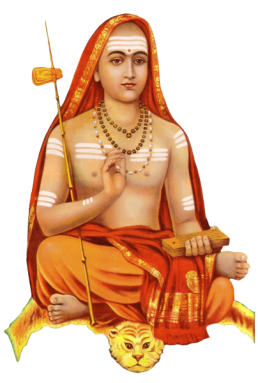
Ātmabodha – Verse 16 – Atma – 16-Vapustuṣādibhiḥ – In Sanskrit with English Transliteration, Translation and Meaning – Translated by Swami Chinmayananda – Atmabodha-16
Atmabodha Commentary by Swami Paramarthananda
Pounding with yukti, vicarah
(Verse 16)
vapustuṣādibhiḥ kōśaiḥ yuktaṁ yuktyāvaghātataḥ | ātmānamantaraṁ śuddhaṁ vivicyāttaṇḍulaṁ yathā ||
That is being said here with an example. He says vapuḥ tuṣādibhiḥ kōśaiḥ yuktaṁ – taṇḍulaṁ yathā. Vapuḥ here refers to śarīraṁ but for the present we should leave vapuḥ and take tuṣādibhiḥ yuktaṁ taṇḍulaṁ iva for consideration. Taṇḍulaṁ means rice. And tuṣaḥ means the cover, the husk etc. with which it becomes paddy. Now the taṇḍulaṁ is useful to us but the external covering is not useful to us. If we put it in the mouth, it will only prick us. It is duḥkha hētuḥ but inside it is sukha hētuḥ. But we cannot throw away the paddy completely like throwing the baby with the bath water. So what we do is, we remove the external covering and take out the taṇḍulaṁ by pounding – avaghātaḥ. And the rice is taken and the husk is thrown away. One is upādēyaṁ – to be taken. Another is hēyaṁ – to be thrown away. Taṇḍulaṁ is antaḥ, tuṣādibhiḥ is bahiḥ.
We are all like paddy. We all have got a covering which is useless – asti, jāyatē vardhatē, vipariṇamatē – all the covers create problem only. And it is not one layer of husk. We have got pañca kōśaḥ – five layers – which is bahiḥ. Are they hēyaṁ or upādēyaṁ? No doubt, hēyaṁ, to be rejected. Their identification which has been taken as real should be given up. And the Ātmā, within that, is compared to rice; Anātmā is compared to the husk. And here also what is required is pounding.
That is what Śaṅkarācārya is doing –mōha mudgaraḥ – mudgaraḥ is a type of long hammer like implement made of wood and which is used for pounding rice to separate the rice from the husk. The pounding has to be done very carefully. If too much pressure is used the rice will get powdered. Here even though Śaṅkarācārya is doing the pouding job, the pounding is of a different nature. In the case of paddy, the taṇḍula tuṣa saṁyōgaḥ is vāstavaṁ – both have the same order of reality. And therefore, we require actual separation by karma, vāstavika yōgatvāt karmā apēkṣyatē. But here the saṁyōgaḥ between Ātmā and Anātmā is not actual saṁyōgaḥ because Ātmā ākāśavat asaṅgaḥ. So here the saṁyōgaṁ is ajñāna kṛta saṁyōgaḥ. Kṣētrakṣētrajñasaṁyōgāttadviddhi bharatarṣabha says Lord Kṛṣṇā in the Gītā. He says that whatever is born has emanated through the union of matter and spirit that is kṣētra and kṣētrajña. Since it is ajñāna kṛta saṁyōgaḥ. the pounding is in the form of vicāraḥ i.e. in the form of inquiry.
Anvaya – Vyatireka method
Therefore, Śaṅkarācārya says yukti āvaghātataḥ.By the āvaghātaḥ of yukti – yukti here means Ātmā vivēkaḥ. “Is Sthūla śarīraṁ myself? Is sūkṣma śarīraṁ myself?” And this method of inquiry is called Anvaya vyatirēkā method. And what is that?
• During jāgrat avasthā – Sthūla śarīraṁ is there – ‘I’ am there.
• During svapna avasthā Sthūla śarīraṁ is separated. A new vāsanāmaya śarīraṁ i.e.
sūkṣma śarīraṁ comes.
• The body has changed but ‘I’ has not changed. ‘I’ exist in svapna śarīraṁ. ‘I’ exist even when jāgrat śarīraṁ is there. Jāgrat śarīraṁ goes – ‘I am’. Svapna śarīraṁ comes – ‘I am’. Svapna śarīraṁ goes away – ‘I am’.
• And in suṣupti, kāraṇa śarīraṁ comes – ‘I am’.
• So when they are there – ‘I am’. When they are not – ‘I am’. Therefore, ‘I’ must be different from them. They come and go. ‘I’ always ‘AM’.
So when they are–‘I am’ is called anvayaḥ and when they are not-‘I am’ is called vyatirēkā.
Another term also is used. The śarīraṁ comes and goes. This is called vyāvṛttiḥ. Ātmā is always there and it is called anuvṛttiḥ. So we can call it either Anvaya vyatirēkā nyāyaḥ or logic or anuvṛtti vyāvṛtti nyāyaḥ or logic. And these two nyāyās are called here yukti. With this yukti we have to do the pounding job. And everytime we say “I am not the body” – one bang. “I am not the sūkṣma shariraṁ”– another bang. “I am not the kāraṇa śarīraṁ” – another bang. The banging must continue till all the kōśās are removed.
So we have to separate Ātmā and Anātmā. That is what he said ātmānamantaraṁ śuddhaṁ vivicyāt. Vivicyāt means vivēkaṁ kuryāt. And incidentally he used the word antaraṁ and to remove the confusion with regard to that word, he gives the following ślōkā.