
स्वकाले सत्यवद्भाति प्रबोधे सत्यसद्भवेत्।।6।।
Svakāle satyavadbhāti prabodhe satyasadbhavet..6..
संसारः (saṃsāraḥ) – the world
स्वप्नतुल्यः (svapnatulyaḥ) – like a dream
हि (hi) – verily
रागद्वेषादिसङ्कुलः (rāgadveṣādisaṅkulaḥ) – full of attachments, aversions and so on
स्वकाले (svakāle) – in its duration
सत्यवत् भाति (satyavat bhāti) – appears to be real
प्रबोधे सति (prabodhe sati) – when awake
असत् (asat) – unreal
भवेत् (bhavet) – becomes
Atmabodha – Home Page
Introduction
Qualified Student – Verse 1
Self-Knowledge – Verse 2
Self-Knowledge – Verse 3
Self-Knowledge – Verse 4
Self-Knowledge – Verse 5
The World – Verse 6
The World – Verse 7
The World – Verse 8
The World – Verse 9
The Upadhis – Verse 10
The Upadhis – Verse 11
The Upadhis – Verse 12
The Upadhis – Verse 13
The Upadhis – Verse 14
Error of misapprehension – Verse 15
Error of misapprehension – Verse 16
Error of misapprehension – Verse 17
Error of misapprehension – Verse 18
Error of misapprehension – Verse 19
Error of misapprehension – Verse 20
Error of misapprehension – Verse 21
Error of misapprehension – Verse 22
Error of misapprehension – Verse 23
Error of misapprehension – Verse 24
The birth of the Ego – Verse 25
The birth of the Ego – Verse 26
The birth of the Ego – Verse 27
The birth of the Ego – Verse 28
The birth of the Ego – Verse 29
The birth of the Ego – Verse 30
The birth of the Ego – Verse 31
The birth of the Ego – Verse 32
The birth of the Ego – Verse 33
The birth of the Ego – Verse 34
The birth of the Ego – Verse 35
The birth of the Ego – Verse 36
The birth of the Ego – Verse 37
Towards Realization – Verse 38
Towards Realization – Verse 39
Towards Realization – Verse 40
Towards Realization – Verse 41
Towards Realization – Verse 42
Towards Realization – Verse 43
Towards Realization – Verse 44
Towards Realization – Verse 45
Towards Realization – Verse 46
Towards Realization – Verse 47
Towards Realization – Verse 48
Towards Realization – Verse 49
Towards Realization – Verse 50
Towards Realization – Verse 51
Towards Realization – Verse 52
Towards Realization – Verse 53
Revelling in Freedom – Verse 54
Revelling in Freedom – Verse 55
Revelling in Freedom – Verse 56
Revelling in Freedom – Verse 57
Revelling in Freedom – Verse 58
Revelling in Freedom – Verse 59
Revelling in Freedom – Verse 60
Realization – Verse 61
Realization – Verse 62
Realization – Verse 63
Realization – Verse 64
Realization – Verse 65
Realization – Verse 66
Realization – Verse 67
The Promise of Fulfillment – Verse 68
Closing – Verse 69
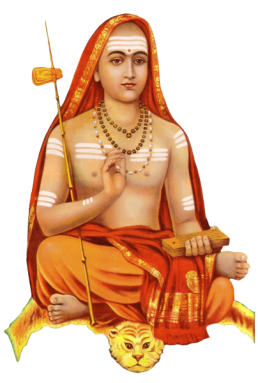
Ātmabodha – Verse 6 – Atma – 6-Saṃsāraḥ svapnatulyo – In Sanskrit with English Transliteration, Translation and Meaning – Translated by Swami Chinmayananda – Atmabodha-6
Atmabodha Commentary by Swami Paramarthananda
Adhyāsaḥ and Tat Pada Arthaṁ Ajnana; Vikshepa, avarana Shakti
(Verse 6)
saṁsāraḥ svapnatulyō hi rāgadvēṣādi saṅkulaḥ | svakālē satyavadbhāti prabōdhē satyasadbhavēt ||
We are going to now analyze in what way ajñānaṁ creates problem for us.
This ajñānaṁ itself is known in Vēdāntā by different names. One name is mūlāvidhyā i.e. mūla + avidhyā. And another name for ajñānaṁ is māyā. So thus we have three names, ajñānaṁ, mūla avidhyā and māyā. And this ajñānaṁ or māyā has got two powers known as Vikṣēpa śaktiḥ and āvaraṇa śaktiḥ.
• Vikṣēpa śaktiḥ means creative power. Vikṣēpa means to throw out, to expand. Vikṣēpa śaktiḥ is a result of its rajo guna.
• And āvaraṇa śaktiḥ means deluding power; literally it means covering power, veiling power. Avaraṇa śaktiḥ is the effect of tamo guna.
Thus ajñānaṁ or māyā has both creative power and veiling power.
Adhyasa
And because of this Vikṣēpa śaktiḥ, the ajñānaṁ creates the vast universe. But not a real universe and that is why we called it māyā. Just as a magician with his indrajal creates an illusion of objects, similarly māyā creates the dvaita prapañcaḥ, the saṁsāraḥ, the world consisting of things and beings including our own body and mind. This false creation or projection alone is technically called adhyāsaḥ.
Even though the māyā creates this world, it being unreal or mithyā, in reality it cannot affect us at all because ‘I’ the Ātmā am the pūrṇaṁ Brahma; the satyaṁ; the real. Śaṅkarācārya gives an example. Just as the waker is not affected by the apparent dream world created by the waker’s sleep, similarly, “I am Brahman and I have this māyā and māyā has Vikṣēpa śaktiḥ which has created this wonderful universe including my own body and mind – all bodies including this (my) particular body”. Therefore normally what should ‘I’ be doing? “I should be telling everyone, see my glory, māyā śakti – māyā kalpita-dēśakāla- kalanāvaicitrya-citrīkṛtaṁ – I have created this vast universe”. This is the normal thing.
But what happens? Māyā has got the second power – āvaraṇa śaktiḥ – deluding power, covering power,
tribhirguṇamayairbhāvairēbhiḥ sarvamidaṁ jagat Mōhitaṁ nābhijānāti māmēbhyaḥ paramavyayam
says Lord Kṛṣṇā in the Bhagawad Gītā. The whole of this creation is deluded by these objects evolved from the three modes of prakṛti – sattva, rajas and tamas; that is why the world fails to recognize ME, the Ātmā, the imperishable, who stands apart from these.
And then what happens? After the creation of this world including my body, the āvaraṇa śaktiḥ comes into play and therefore, instead of knowing that ‘I’ am the creator, the subject, the adhiṣṭhānaṁ; and the world is something created, false, adhyastaṁ; ‘I’ fail to know that and not knowing this differentiation between Ātmā and Anātmā, Brahman and abrahman, ahaṁ and idam – idaguṁ sarvaṁ asṛjata – that ‘I’ am the sraṣṭā and all these things are created, ‘I’ get confused between myself and my created equipment – Sraṣṭru sṛṣṭā vivēkaḥ nāsti. Thus because of the confusion, instead of saying the body is created, the janma of the
body, the limitations of the body, the vikāraṁs of the body, all these, ‘I’ again superimpose upon my true self. This is the second adhyāsaḥ.
Thus two adhyāsaṁs take place.
• The first adhyāsaṁ is the creation of the world –prapañca Sṛṣṭiḥ. Adhyāsaṁ means superimposition or projection. In Sanskrit we call it prāthamika adhyāsaḥ – primary superimposition. Before primary superimposition, what was there? – Ātmā, ‘I’ alone was there and after primary superimposition takes place an Anātmā prapañcaṁ is created including this śarīraṁ. idaṁ śarīraṁ kauntēya kṣētramityabhidhīyatē says Lord Kṛṣṇā in the Gītā. This body, Arjuna is termed as the field – kṣētra. Therefore, the Vikṣēpa śaktiḥ of māyā brings out the prāthamika adhyāsaḥ of the śarīraṁ.
• And then what happens? A relay race takes place. Vikṣēpa śaktiḥ takes rest and āvaraṇa śaktiḥ of māyā takes over. And what is its job? – To create confusion between Ātmā and Anātmā. It takes the Anātmā dharmā and superimposes it upon Ātmā. And this adhyāsaṁ is called secondary adhyāsaṁ, dvitīya adhyāsaḥ. In this process, the body created by the first adhyāsaḥ is taken as me who in fact am not the created but who am the creator.
mayyēva sakalaṁ jātaṁ mayi sarvaṁ pratiṣṭhitam
Mayi sarvaṁ layaṁ yāti tad brahma advayamasmyaham
In ME, the pure infinite consciousness, Ātmā, alone is this entire creation born, this entire creation and everything in it have their being and this entire creation and everything in it ultimately resolve. I am that non-dual, all-inclusive and all-pervasive Brahman, says Kaivalyōpaniṣat.
This is called Ātma Anātmā avivēkaḥ. anātmani ātmā dharma adhyāsaḥ, ātmani Anātmā dharma adhyāsaḥ. This is called secondary adhyāsaḥ. Sṛṣṭiḥ is primary adhyāsaḥ. Confusion is secondary adhyāsaḥ. And as long as the ignorance continues, the confusion between Ātmā and Anātmā will continue.
Anyonya adhyasa
This confusion is two-fold.
Anātmā prapañca is there– it is savikāraṁ – means subject to change – asti, jāyatē, vardhatē etc. That savikāratvam– the changing nature of Anātmā, ‘I’ superimpose on myself and ‘I’ say ahaṁ jātaḥ ahaṁ mariṣyē – ‘I’ am born, ‘I’ am dying, ‘I’ am growing old etc. This is called anātmanaḥ savikāratvam ātmani adhyasya ahaṁ savikārī iti buddhĩ janayati. So what is there in Anātmā has been superimposed on Ātmā.
It doesn’t stop there. There is barter involved to do full justice.
The Anātmā prapañca is satyaṁ or mithyā? No doubt it is mithyā. And who am ‘I’ – Satyaṁ or mithyā? ‘I’ am satyaṁ. This satyatvaṁ which belongs to me, the Ātmā ahaṁ is superimposed upon the Anātmā, the prapañca, the śarīraṁ. Therefore, ‘I’ have become
savikāraḥ and the world has become satyaṁ now because of the transference of the satyatvaṁ of mine on to the world. This is what is known as anyōnya adhyāsaḥ. This is caused by āvaraṇa śaktiḥ. Vikṣēpa śaktiḥ doesn’t create anyōnya adhyāsaḥ because in that two things are not involved. Vikṣēpa śaktiḥ creates a second world in addition to Ātmā. It is āvaraṇa śaktiḥ only which creates the anyōnya adhyāsaḥ.