
सदा सर्वसमः सिद्धो निःसङ्गो निर्मलोऽचलः।।35।।
Sadā sarvasamaḥ siddho niḥsaṅgo nirmalo’calaḥ..35..
अहम् (aham) – I
आकाशवत् (ākāśavat) – like space
सर्वम् (sarvam) – all things
बहिः (bahiḥ) – without
अन्तर्गतः (antargataḥ) – within
अच्युतः (acyutaḥ) – changeless
सदा (sadā) – always
सर्वसमः (sarvasamaḥ) – same in all
शुद्धः (śuddhaḥ) – pure
निस्सङ्गो (nissaṅgo) – unattached
निर्मलः (nirmalaḥ) – stainless
अचलः (acalaḥ) – motionless
Atmabodha – Home Page
Introduction
Qualified Student – Verse 1
Self-Knowledge – Verse 2
Self-Knowledge – Verse 3
Self-Knowledge – Verse 4
Self-Knowledge – Verse 5
The World – Verse 6
The World – Verse 7
The World – Verse 8
The World – Verse 9
The Upadhis – Verse 10
The Upadhis – Verse 11
The Upadhis – Verse 12
The Upadhis – Verse 13
The Upadhis – Verse 14
Error of misapprehension – Verse 15
Error of misapprehension – Verse 16
Error of misapprehension – Verse 17
Error of misapprehension – Verse 18
Error of misapprehension – Verse 19
Error of misapprehension – Verse 20
Error of misapprehension – Verse 21
Error of misapprehension – Verse 22
Error of misapprehension – Verse 23
Error of misapprehension – Verse 24
The birth of the Ego – Verse 25
The birth of the Ego – Verse 26
The birth of the Ego – Verse 27
The birth of the Ego – Verse 28
The birth of the Ego – Verse 29
The birth of the Ego – Verse 30
The birth of the Ego – Verse 31
The birth of the Ego – Verse 32
The birth of the Ego – Verse 33
The birth of the Ego – Verse 34
The birth of the Ego – Verse 35
The birth of the Ego – Verse 36
The birth of the Ego – Verse 37
Towards Realization – Verse 38
Towards Realization – Verse 39
Towards Realization – Verse 40
Towards Realization – Verse 41
Towards Realization – Verse 42
Towards Realization – Verse 43
Towards Realization – Verse 44
Towards Realization – Verse 45
Towards Realization – Verse 46
Towards Realization – Verse 47
Towards Realization – Verse 48
Towards Realization – Verse 49
Towards Realization – Verse 50
Towards Realization – Verse 51
Towards Realization – Verse 52
Towards Realization – Verse 53
Revelling in Freedom – Verse 54
Revelling in Freedom – Verse 55
Revelling in Freedom – Verse 56
Revelling in Freedom – Verse 57
Revelling in Freedom – Verse 58
Revelling in Freedom – Verse 59
Revelling in Freedom – Verse 60
Realization – Verse 61
Realization – Verse 62
Realization – Verse 63
Realization – Verse 64
Realization – Verse 65
Realization – Verse 66
Realization – Verse 67
The Promise of Fulfillment – Verse 68
Closing – Verse 69
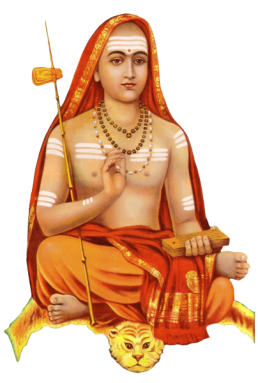
Ātmabodha – Verse 35 – Atma – 35-Ahamākāśavatsarvaṃ – In Sanskrit with English Transliteration, Translation and Meaning – Translated by Swami Chinmayananda – Atmabodha-35
Atmabodha Commentary by Swami Paramarthananda
(Verse 35)
ahaṁ ākāśavatsarvaṁ bahirantargatō’cyutaḥ | sadā sarvasamaśśuddhō nissaṅgō nirmalō’calaḥ ||
• Ahaṁ ākāśavat sarvaṁ gataḥ. Gataḥ means pervade, vyāptaḥ. So ‘I’ pervade everything –antaḥ bahiḥ – both within and without. Ākāśavat – like the space.
• Acyutaḥ – ‘I’ never have a fall means ‘I’ never lose my nature – my pūrṇatvaṁ will not become apūrṇatvaṁ.
So that is unlike the svargādi – when I go to svargādi, Phalaṁ is there and cyuti is also there. Cyuti means fall. I will have the svarga sukhaṁ but afterwards again kṣīṇē puṇyē martya lōkaṁ. Mōkshaḥ is my svarūpaṁ and therefore, svarūpaṁ can never be lost. In fact svarūpaṁ can never be lost. I should not say so because what cannot be lost is called svarūpaṁ. That is why he said earlier prakāśō’rkasya tōyasya śaityamagnēryathōṣṇatā svabhāvaḥ saccidānanda nityanirmālātātmanaḥ. Just as water never loses its coolness, fire its heat, the Sun its light, similarly, ‘I’ can never lose my mōksha svarūpaḥ.
Then one may ask how did ‘I’ lose till now? Till now also you never lost but you thought that you had lost it. You can never lose your nature. Therefore, Bhagawān is called acyutaḥ. In fact really speaking, acyutaḥ is the name of paraṁ Brahman – the one who never falls from his own nature. Says Lord Kṛṣṇa in the Gītā, ajō’pi sannavyayātmā bhūtānāmīśvarō’pi san. prakṛtĩ svāmadhiṣṭhāya sambhavāmyātmamāyayā. Though birthless and immortal and the Lord of all beings, I manifest through my own Yōgamāyā, keeping my nature (prakṛti) under control.
• Then sadā sarva samaḥ. (We have to add sadā to everything here. Sadā bahirantargataḥ, sadā acyutaḥ, sadā sarvasamaḥ, sadā śuddhaḥ, sadā nissaṅgaḥ etc.) Sarva samaḥ means the same in all – vidyā vinaya sampannē brāhmaṇē gavi hastini; samaṁ sarvēṣu bhūtēṣu tiṣṭantaṁ paramēśvaram etc.
What is the nature in all? It is sacchit svarūpaḥ in all. The differences belong to nāma rūpa. In sat there is no difference at all, in cit there is no difference at all. This sacchida Ātmā is the same in all.
• Then nissaṅgaḥ – free from all relationships. So this also we should remember, especially by gṛhastās that most of the problems are caused by relationships. It is a constant struggle amongst varities of relationships. So everyone has to do lot of tight rope walking. In fact they say life is like the job of a tongue. The tongue is between 32 sharp teeth. But see how it moves around and avoids getting caught in the two rows of sharp teeth. So we should know how to live within relationships and manage them.
Like Pūjya Svāmi Dayānanda Sarasvatī says all relationships are like playing a role. In vyavahārā we cannot avoid these relationships. In relationship perfect satisfaction of everyone is not possible. As somebody said “I don’t know the formula for success but I know the formula for failure and that is trying to please everyone”. Therefore, relationship means we take the best course of action possible. Some people will be happy some will be unhappy. In vyavahārika situation perfection is not expected.
If this meditation is practiced, relationships will not affect us. We should learn to see every relationship as vyavahārika, mithyā, and temporary, inevitable because in pūrva janma some other relationship was there ad infinitum. Relationships will constantly come and go and they cannot be avoided. If this is understood then the problems will be less when we try to say ahaṁ Brahma asmi. Ahaṁ Brahma asmi alone is not enough. At the body level (it brings relationships) these problems will be there, to which we have to say consciously, “I accept”. Therefore, as Ātmā, as asaṅgaḥ we have to accept all these consciously. Forgetting the problem is not the solution. Accepting the problem alone is the solution. Therefore, as Brahman we should accommodate all people, all characters, all misbehaviours, all problems and all situations. Therefore, he says ‘I’ am nissaṅgaḥ.
• Nirmālāḥ – we have seen before. Here we can take the meaning as free from ignorance. Ajñāna mālā rahitaḥ. So three times ‘pure’ has come. Nirmālāḥ twice and nirañjanaḥ once. We can interpret them in different ways. One can be Sthūla śarīra mālā rahitaḥ. Another is sūkṣma śarīra mālā rahitaḥ. Another is kāraṇa śarīra mālā rahitaḥ.
• Then finally acalaḥ means free from all movements.