भावयेदेकमात्मानं निर्मलाकाशवत्सदा।।39।।
Bhāvayedekamātmānaṃ nirmalākāśavatsadā..39..
आत्मनि एव (ātmani eva) – in the Ᾱtman alone
अखिलं (akhilaṃ) – entire
दृश्यं (dṛśyaṃ) – world of objects
प्रविलाप्य (pravilāpya) – merging
धिया (dhiyā) – by the intellect
सुधीः (sudhīḥ) – wise man
भावयेत् (bhāvayet) – should think
एकम् (ekam) – one
आत्मानं (ātmānaṃ) – the Self
निर्मलाकाशवत् (nirmalākāśavat) – like the stainless or pure space
सदा (sadā) – constantly
Atmabodha – Home Page
Introduction
Qualified Student – Verse 1
Self-Knowledge – Verse 2
Self-Knowledge – Verse 3
Self-Knowledge – Verse 4
Self-Knowledge – Verse 5
The World – Verse 6
The World – Verse 7
The World – Verse 8
The World – Verse 9
The Upadhis – Verse 10
The Upadhis – Verse 11
The Upadhis – Verse 12
The Upadhis – Verse 13
The Upadhis – Verse 14
Error of misapprehension – Verse 15
Error of misapprehension – Verse 16
Error of misapprehension – Verse 17
Error of misapprehension – Verse 18
Error of misapprehension – Verse 19
Error of misapprehension – Verse 20
Error of misapprehension – Verse 21
Error of misapprehension – Verse 22
Error of misapprehension – Verse 23
Error of misapprehension – Verse 24
The birth of the Ego – Verse 25
The birth of the Ego – Verse 26
The birth of the Ego – Verse 27
The birth of the Ego – Verse 28
The birth of the Ego – Verse 29
The birth of the Ego – Verse 30
The birth of the Ego – Verse 31
The birth of the Ego – Verse 32
The birth of the Ego – Verse 33
The birth of the Ego – Verse 34
The birth of the Ego – Verse 35
The birth of the Ego – Verse 36
The birth of the Ego – Verse 37
Towards Realization – Verse 38
Towards Realization – Verse 39
Towards Realization – Verse 40
Towards Realization – Verse 41
Towards Realization – Verse 42
Towards Realization – Verse 43
Towards Realization – Verse 44
Towards Realization – Verse 45
Towards Realization – Verse 46
Towards Realization – Verse 47
Towards Realization – Verse 48
Towards Realization – Verse 49
Towards Realization – Verse 50
Towards Realization – Verse 51
Towards Realization – Verse 52
Towards Realization – Verse 53
Revelling in Freedom – Verse 54
Revelling in Freedom – Verse 55
Revelling in Freedom – Verse 56
Revelling in Freedom – Verse 57
Revelling in Freedom – Verse 58
Revelling in Freedom – Verse 59
Revelling in Freedom – Verse 60
Realization – Verse 61
Realization – Verse 62
Realization – Verse 63
Realization – Verse 64
Realization – Verse 65
Realization – Verse 66
Realization – Verse 67
The Promise of Fulfillment – Verse 68
Closing – Verse 69
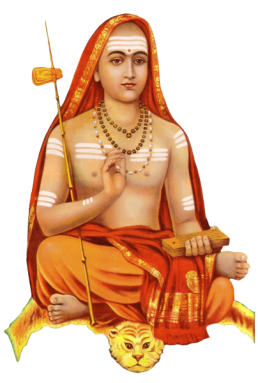
Ātmabodha – Verse 39 – Atma – 39-Ātmanyevākhilaṃ – In Sanskrit with English Transliteration, Translation and Meaning – Translated by Swami Chinmayananda – Atmabodha-39
Atmabodha Commentary by Swami Paramarthananda
(Verse 39)
ātmanyēvākhilaṁ Dṛśyaṁ pravilāpya dhiyā sudhīḥ | bhāvayēdēkamātmānaṁ nirmalākāśavatsadā ||
Previously ahaṁ satyaṁ, ahaṁ brahma, dṛk svarūpaḥ ahaṁ was emphasized. Now the
Dṛśyaṁ jagat is being falsified.
As long as reality is attributed to the universe, strong reactions cannot be avoided. Reaction is directly proportional to one’s satyatva buddhi. Reaction means both rāga as well as dvēṣa reactions. On the other hand if the whole dṛśya prapañca is understood as nāma rūpa superimposed on me, the acceptance will be easy.
In fact we are all nothing but nāma rūpa bundles only. As long as we understand this, it is OK, but once the nāma rūpa is given more and more reality then it becomes difficult to accept the disappearance of our own body or another body. If we are absorbed in the wave nāma rūpa, the destruction of the wave will disturb us but if we know that wave is mithyā, water is satyaṁ, that the arrival and departure of the wave is a natural phenomenon – in fact it is a beauty to the ocean – we will not be disturbed when a wave goes away. But imagine if we get attached to one particular wave. Then we will find that when that wave goes, we will be upset.
Similarly any nāma rūpa we give reality to, i.e we have satyatva buddhi, that particular nāma rūpa will create a hell. We don’t require many nāma rūpas to create sorrow. Even one will do. Even for a sanyāsī kamaṇḍalu is enough to disturb. Why kamaṇḍalu – a kaupīnaṁ is enough – a loin-cloth is enough to disturb. Therefore, sarvaṁ jagat dṛśyaṁ ātmani ēva pravilāpya. The whole creation should be resolved in ‘me’, the world does not exist different from ‘me’. This understanding is called resolution.
As I said the other day, what is the destruction of pot in Vēdāntā? In the case of other people the destruction of pot means breaking it. But a Vēdāntin destroys the pot with his eyes –
darśana mātrēṇa and what is that darśanaṁ? There is no pot other than clay. Thus the pot is resolved into clay.
And this itself if we put in another language, it becomes mithyātva buddhi. Just like in a hall fitted fully with mirrors we see our reflections all over. But we very well know that except our own self, all others are mere reflections – mithyā ēva. And when we come out all reflections have resolved into us – pravilāpanaṁ. So he says akhilaṁ dṛśyaṁ ātmani ēva pravilāpya. One should resolve the whole dṛśya prapañca into one’s own self. And in this the most important word is dhīyāḥ. It means wisdom. It all rests in one’s understanding only. There is no mysticism. In ghaṭa pravilāpanaṁ what is the mysticism? There is no mysticism. It is only a clear understanding. Wisdom alone is involved. Sudhīḥ – means a vivēki, a jñānī. So a jñānī should resolve the entire objective universe into him by seeing that there is no objective universe other than him. Thus, ātmānam bhāvayēt. Thus he should mediate upon himself.
Once we know dṛśya prapañca does not exist separate from us, there is only one thing now – Ēkaṁ– because the whole thing has been resolved into ‘me’. Previously when we saw the waves, there was plurality but when the waves have resolved into water, there is only water. Similarly the whole prapañca is nāma rūpa and the content of the whole prapañca is ahaṁ – mayyēva sakalaṁ jātaṁ. Therefore, in that ślōkā he said tad brahma advayaṁ asmi. The world doesn’t exist separate from me. Therefore, he says ēkaṁ ātmānam bhāvayēt.
And now, the example–Nirmalākāśavat. Like the ākāśā which is ever nirmālāṁ. Nirmālāṁ means it is free from everything. Even though clouds are there, they do not belong to the ākāśā – ākāśasya asaṅgatvāt. Similarly ‘I’ dṛk am the satyaṁ and ‘I’ am not connected to the dṛśya prapañca because it is mithyā.
And when should one meditate? He says sadā always. With this nidhidhyāsanaṁ topic is over (ślōkās 34 to 39).