
अरूपगुणवर्णाख्यं तद्ब्रह्मेत्यवधारयेत्।।60।।
Arūpaguṇavarṇākhyaṃ tadbrahmetyavadhārayet..60..
अनणु (anaṇu) – neither subtle
अस्थूलम् (asthūlam) – nor gross
अह्रस्वम् (ahrasvam) – neither short
अदीर्घम् (adīrgham) – nor long
अजम् (ajam) – without birth
अव्ययम् (avyayam) – without change
अरूपगुणवर्णाख्यं (arūpaguṇavarṇākhyaṃ) – without form, attributes, colour and name
तत् ब्रह्म (tat brahma) – that Brahman
इति (iti) – thus
अवधारयेत् (avadhārayet) – realise
Atmabodha – Home Page
Introduction
Qualified Student – Verse 1
Self-Knowledge – Verse 2
Self-Knowledge – Verse 3
Self-Knowledge – Verse 4
Self-Knowledge – Verse 5
The World – Verse 6
The World – Verse 7
The World – Verse 8
The World – Verse 9
The Upadhis – Verse 10
The Upadhis – Verse 11
The Upadhis – Verse 12
The Upadhis – Verse 13
The Upadhis – Verse 14
Error of misapprehension – Verse 15
Error of misapprehension – Verse 16
Error of misapprehension – Verse 17
Error of misapprehension – Verse 18
Error of misapprehension – Verse 19
Error of misapprehension – Verse 20
Error of misapprehension – Verse 21
Error of misapprehension – Verse 22
Error of misapprehension – Verse 23
Error of misapprehension – Verse 24
The birth of the Ego – Verse 25
The birth of the Ego – Verse 26
The birth of the Ego – Verse 27
The birth of the Ego – Verse 28
The birth of the Ego – Verse 29
The birth of the Ego – Verse 30
The birth of the Ego – Verse 31
The birth of the Ego – Verse 32
The birth of the Ego – Verse 33
The birth of the Ego – Verse 34
The birth of the Ego – Verse 35
The birth of the Ego – Verse 36
The birth of the Ego – Verse 37
Towards Realization – Verse 38
Towards Realization – Verse 39
Towards Realization – Verse 40
Towards Realization – Verse 41
Towards Realization – Verse 42
Towards Realization – Verse 43
Towards Realization – Verse 44
Towards Realization – Verse 45
Towards Realization – Verse 46
Towards Realization – Verse 47
Towards Realization – Verse 48
Towards Realization – Verse 49
Towards Realization – Verse 50
Towards Realization – Verse 51
Towards Realization – Verse 52
Towards Realization – Verse 53
Revelling in Freedom – Verse 54
Revelling in Freedom – Verse 55
Revelling in Freedom – Verse 56
Revelling in Freedom – Verse 57
Revelling in Freedom – Verse 58
Revelling in Freedom – Verse 59
Revelling in Freedom – Verse 60
Realization – Verse 61
Realization – Verse 62
Realization – Verse 63
Realization – Verse 64
Realization – Verse 65
Realization – Verse 66
Realization – Verse 67
The Promise of Fulfillment – Verse 68
Closing – Verse 69
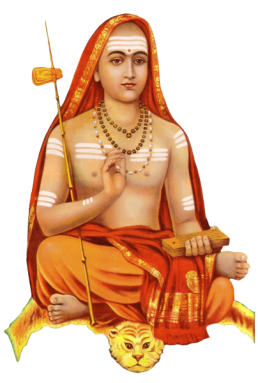
Ātmabodha – Verse 60 – Atma – 60-Anaṇvasthūlamahrasvam – In Sanskrit with English Transliteration, Translation and Meaning – Translated by Swami Chinmayananda – Atmabodha-60
Atmabodha Commentary by Swami Paramarthananda
(Verse 60)
anaṇvaSthūlamahṛsvaṁ- adīrghamajamavyayam | arūpaguṇavarṇākhyam tadbrahmētyavadhārayēt ||
Again Brahma svarūpaṁ is being talking about, into which Brahman the jīvan muktā will merge. The meaning is simple.The essence of this ślōkā is that Brahman is free from all attributes.
anaṇuḥ, aSthūlaṁ, ahrasvaṁ, adīrghaṁ, ajaṁ, avyayaṁ. So Brahman is devoid of these attributes. Aṇuḥ means small. So anaṇuḥ means not a small thing. So Brahman is not a small thing. Now one will immediately think that it is big. Immediately he says aSthūlaṁ – Sthūlaṁ means big. So aSthūlaṁ means it is not big also. What is the corresponding mantra? aṇōraṇīyān mahatō mahīyān Mahānārāyaṇōpaniṣat. It is said that Brahman
is both small and big. Which means it is neither small nor big.
Then he says ahrasvaṁ. It is not short. Immediately one will think that it is long. So he says adīrghaṁ. It is not long. So what is the purpose of these contradictions? Our intellect must stop the search because intellectual search is in a relative field. Intellectual functioning, intellectual seeking are in the relative field, where everything is either this way īdṛk or that
way tādṛk. So it is neither this nor that. Now if the intellect stops its seeking, what will happen to the intellect? It will abide in the seeker. So the sought is not outside but it is the very seeker himself. That is the whole purpose of the negation. The seeker is the sought.
Then ajaṁ – unborn; avyayaṁ – inexhaustible, jarā rahitaṁ, nāśa rahitaṁ etc. So ajaṁ avyayaṁ means,
na jāyatē mriyatē vā kadāci-nnāyaṁ bhūtvā bhavitā vā na bhūyaḥ. ajō nityaḥ śāśvatō’yaṁ purāṇō na hAnyatē hAnyamānē śarīrē
This is how Gītā describes it. So sarva vikāra niṣēdhaḥ.
Then arūpaṁ – free from forms or a better meaning is colourless; aguṇa – nirguṇaṁ, free from all attributes – both good and bad attributes. So viśiṣṭa advaitins say Brahman is free from only bad attributes. It has got good attributes. We say it is not true because even good attributes make Brahman relative. Because Brahman is Anyatra dharmāt Anyatra adharmāt – it is beyond adharmā and beyond dharmā also. So when we say aguṇaṁ it means it is free from saguṇaṁ and durguṇaṁ.
Then avarṇa – varṇa can be taken as jāti or any varṇa classification. We can take the cāturvarṇyaṁ itself. For varṇa we don’t take the meaning of colour here because generally in Sanskrit and especially in Vēdāntā the word rūpaṁ is taken to mean colour and not form. For form they use the word ākāraḥ and the word rūpaṁ is used for colour. So arūpaṁ means colourless. And so when we say avarṇaṁ, it refers to brāhmaṇa, kṣatriya etc. varṇas. Then anākhyaṁ –ākhyaṁ means nāma i.e. name. So anākhyaṁ means it does not have a name also. amātraścaturthaḥ, avyavahāryaḥ, prapancōpaśimaḥ, śāntaḥ, śivaḥ, advaitāḥ amātraḥ. So name is silence. It is nāma rahitaṁ. Then why do we call it Brahman? It is also adhyāsaṁ. So Brahma api nāma iti adhyāsaḥ ēva. Remember Brahman the name itself is mithyā. Brahman is not mithyā. Then is it adhiṣṭhānaṁ? Adhiṣṭhānaṁ the name itself also is mithyā. Then what is satyaṁ? maunavyākhyā prakaṭita parabrahmatattvaṁ yuvānaṁ , a
verse from Dakṣiṇāmūrti stōtram, which means that the essential nature of Para Brahman is explained by silent exposition. And it is this Brahman in which the jīvan muktā merges into.