विद्यादैक्यं महावाक्यैर्जीवात्मपरमात्मनोः।।30।।
Vidyādaikyaṃ mahāvākyairjīvātmaparamātmanoḥ..30..
निषिध्य (niṣidhya) – after negating
निखिलोपाधीन् (nikhilopādhīn) – all conditionings
न इति (na iti) – as not this
न इति (na iti) – as not this
इति (iti) – thus
वाक्यतः (vākyataḥ) – from the scriptural statements (commandments)
विद्यात् (vidyāt) – know
ऐक्यं (aikyaṃ) – oneness
महावाक्यैः (mahāvākyaiḥ) – by the great mahāvākyas
जीवात्मपरमात्मनः (jīvātmaparamātmanaḥ) – of the individual soul and the supreme soul
Atmabodha – Home Page
Introduction
Qualified Student – Verse 1
Self-Knowledge – Verse 2
Self-Knowledge – Verse 3
Self-Knowledge – Verse 4
Self-Knowledge – Verse 5
The World – Verse 6
The World – Verse 7
The World – Verse 8
The World – Verse 9
The Upadhis – Verse 10
The Upadhis – Verse 11
The Upadhis – Verse 12
The Upadhis – Verse 13
The Upadhis – Verse 14
Error of misapprehension – Verse 15
Error of misapprehension – Verse 16
Error of misapprehension – Verse 17
Error of misapprehension – Verse 18
Error of misapprehension – Verse 19
Error of misapprehension – Verse 20
Error of misapprehension – Verse 21
Error of misapprehension – Verse 22
Error of misapprehension – Verse 23
Error of misapprehension – Verse 24
The birth of the Ego – Verse 25
The birth of the Ego – Verse 26
The birth of the Ego – Verse 27
The birth of the Ego – Verse 28
The birth of the Ego – Verse 29
The birth of the Ego – Verse 30
The birth of the Ego – Verse 31
The birth of the Ego – Verse 32
The birth of the Ego – Verse 33
The birth of the Ego – Verse 34
The birth of the Ego – Verse 35
The birth of the Ego – Verse 36
The birth of the Ego – Verse 37
Towards Realization – Verse 38
Towards Realization – Verse 39
Towards Realization – Verse 40
Towards Realization – Verse 41
Towards Realization – Verse 42
Towards Realization – Verse 43
Towards Realization – Verse 44
Towards Realization – Verse 45
Towards Realization – Verse 46
Towards Realization – Verse 47
Towards Realization – Verse 48
Towards Realization – Verse 49
Towards Realization – Verse 50
Towards Realization – Verse 51
Towards Realization – Verse 52
Towards Realization – Verse 53
Revelling in Freedom – Verse 54
Revelling in Freedom – Verse 55
Revelling in Freedom – Verse 56
Revelling in Freedom – Verse 57
Revelling in Freedom – Verse 58
Revelling in Freedom – Verse 59
Revelling in Freedom – Verse 60
Realization – Verse 61
Realization – Verse 62
Realization – Verse 63
Realization – Verse 64
Realization – Verse 65
Realization – Verse 66
Realization – Verse 67
The Promise of Fulfillment – Verse 68
Closing – Verse 69
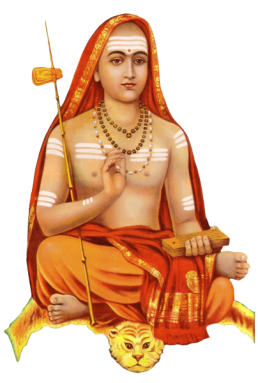
Ātmabodha – Verse 30 – Atma – 30-Niṣidhya nikhilopādhīnneti – In Sanskrit with English Transliteration, Translation and Meaning – Translated by Swami Chinmayananda – Atmabodha-30
Atmabodha Commentary by Swami Paramarthananda
Jīva Brahma Aikyaṁ Śravaṇaṁ, Mananaṁ, Nidhidhyāsanaṁ
Second phase of enquiry – tat pada vicara
(Verse 30)
niṣidhya nikhilōpādhīn nēti nētīti vākyataḥ |
vidhyādaikyaṁ mahāvākyaiḥ jīvātmaparamātmanōḥ ||
So from the 16th ślōkā onwards, upto the last ślōkā i.e. the 29th ślōkā, Ātmā Anātmā vivēkaṁ was the topic. This alone we technically call as tvaṁ pada vicāraḥ – analysis of
twaṁ in the tattvamasi mahāvākyaṁ. Sthūla, sūkṣma kāraṇa śarīraṁs are Anātmā. These Anātmās are saguṇaṁ. ‘I’ am nirguṇaṁ. Anātmās are savikāraṁ. ‘I’ am nirvikāraḥ. Anātmās are savikalpaṁ. ‘I’ am nirvikalpaḥ. Anātmās are jaḍaṁ. ‘I’ am svayaṁ prakāśa cētana rūpaḥ.
But is this enough? Vēdāntā says this is not enough. This is only the first phase of Vēdāntik enquiry. Tvaṁ pada vicāraḥ alone is over. What still has to come is tat pada aikyaṁ. So the second phase is necessary.
Why should there be a second phase? Is it not enough that I have known that I am different from the body and that I am caitanyaṁ? Vēdāntā says “No. It is not enough”. Why? Because now that I have done Ātmā Anātmā vivēkaṁ, I know that I am a subject and different from the object. I am the consciousness and everything else is inert matter. I am the illuminator and everything else is the illumined. But still how many things are there? Dvaitaṁ is still persisting. Ātmā is No. 1 and everything else is Anātmā that is No.2. I am kṣētrajñaḥ – No. 1 and everything else is kṣētraṁ – No. 2. In fact kṣētraṁ seems to be vast. And therefore, we should carefully know that this entire anātma prapañca is a superimposition, is a kāryaṁ and ‘I’ the Ātmā am the kāraṇaṁ.
So we have to go to prāthamika adhyāsaṁ. Till now we have sorted out only the secondary adhyāsā. Now we have to know the primary adhyāsā. That is the knowledge that through māyā, ‘I’, the Ātmā alone, has created the whole universe. But because of the āvaraṇa śaktiḥ ‘I’ got confused. That confusion is gone now. But that is not enough. We should also know that this Anātmā prapañca is born out of the Vikṣēpa śaktiḥ of my māyā. There ‘I’ the Ātmā am kāraṇam.We should know that with the help of the māyā ‘I’ alone have created the universe. Viśvaṁ darpaṇa dṛśyamāna nagarī tulyaṁ nijāntargataṁ. The universe, like even the city being seen in the mirror, is within oneself.
So knowing that ‘I’ am kāraṇaṁ is called Brahma aikyaṁ. Knowing that ‘I’ am the
caitanyaṁ, the kāraṇa caitanyaṁ, is called ahaṁ Brahma asmi.
Then one may ask what the advantage of that is? Previously I said ‘I’ am Ātmā and this is Anātmā. Now I am saying that ‘I’ am kāraṇaṁ and this is kāryaṁ. What big difference is there? In fact there is a very big difference. When I say ‘I’ am Ātmā and this is Anātmā, dvaitaṁ is there. But when I say ‘I’ am kāraṇaṁ and this is kāryaṁ, dvaitaṁ goes because kāryaṁ does not exist different from kāraṇaṁ. There is a big sūtra in Brahma sūtra which is very brilliantly analyzed by Śaṅkarācārya. It is called ārambhaṇādi karaṇaṁ. tadanAnyatvaṁ ārambhaṇaśabdādibhyaḥ vācārambhaṇaṁ vikārō nāmadhēyam mṛttikā ēva satyaṁ.
Consciousness and matter
So once we know that the clay is the kāraṇaṁ and the pots are the kāryaṁ, what is the conclusion that we will arrive at? Pots do not exist different from (independent of) clay. Clay alone is. What we call as pot is nothing but vācārambhaṇaṁ vikārō nāmadhēyam. Similarly once ‘I’ know that caitanyaṁ is kāraṇaṁ and matter is kāryaṁ, the conclusion will be that there is no matter at all.
Scientists talk about consciousness, matter etc. According to Vēdāntā there is no matter different from consciousness. Then what is matter? Vācārambhaṇaṁ vikārō nāmadhēyam – matter is nothing but nāma rūpa. So now how many things are there? Only one that is caitanyaṁ – ēkaṁ ēva. And what we call matter doesn’t exist different from caitanyaṁ:
• Brahmārpaṇaṁ, Brahma haviḥ, Brahmāgnau Brahmaṇā hutaṁ;
• sarvaṁ khalu idaṁ Brahmā;
• nēha nānāsti kiñcana;
• Ātmaiva idaguṁ sarvaṁ;
• tat satyaṁ sa Ātmā
all the śruti vākyaṁs indicate that caitanyaṁ alone is everywhere, matter is an aberration, matter is illusion, matter is mithyā.
And if we know that matter is mithyā how does it matter?
The advantage of this knowledge is that matter will no more matter to us. We will not be attracted by or we will not be frightened by the material universe.
• Brahma satyaṁ, jagan mithyā;
• Ahaṁ caitanyaṁ satyaṁ
Matter jagat is mithyā and the material universe cannot touch us. Nahi adhyastasya guṇēna dōṣēṇa vā anumātrēṇāpi sa na sambadhyatē. So adhyasta guṇa dōṣās will not affect us even a wee bit.
So the second phase of this inquiry which is
• caitanya rūpeṇa ahaṁ Brahma asmi, jagat kāraṇaṁ asti;
• ahaṁ satyaṁ asmi, kārya rūpaṁ jagat mithyā asti
– that is the essence of this ślōkā which we will now examine.
Neti, neti approach
Nikhilōpādhīn niṣidhya – one should negate all the upādhis, we may call it pañca kōśā or śarīra trayaṁ. Niṣidhya means negating. Negation does not mean destruction. Negation means – ātmā buddhiṁ tyaktvā – “this is not me, this is not me” so saying is what is negation. It is purely an intellectual job because the confusion is in the intellect, not in the body or Ātmā. And how is this negation to be done? Nēti nētīti vākyataḥ. The Upaniṣad itself helps by saying na Sthūlaṁ, na aṇu, na hrasvam, na dīrghaṁ and not only that, sa ēṣa Ātmā nēti nēti – this very expression nēti nēti itself is there in Bṛhadāraṇyakōpaniśat. And it is stated twice. In the Bṛhadāraṇyaka commentary it is given that once it is said to remove the samaṣṭi prapañca (srsti) and the second neti is to remove vyaṣṭi prapañca (srsti). Just before this portion in Bṛhadāraṇyaka, the topic discussed is mūrta amūrta brāhmaṇā. Therefore, mūrta prapacha negation, amūrta prapañca negation is discussed that is the negation of both the manifest universe and the unmanifest universe.
Once Anātmā is negated what is left is ‘I’ the Ātmā. That is tvaṁ pada vācyaṁ is gone. Now we have come to tvaṁ pada lakṣyaṁ. Saguṇa caitanyaṁ is tvaṁ pada vācyārthaḥ. Nirguṇa caitanyaṁ is tvaṁ pada lakṣyārthaḥ.
Oneness of Atma and paramatma
And similarly what is Brahman, paramātmā? Paraṁ Ātmā also is nirguṇa caitanyaṁ, ‘I’ am also is nirguṇa caitanyaṁ. Therefore, both ‘I’ and paraṁ Ātmā are one and the same. So jīvātma paraṁ ātmanōḥ aikyaṁ vidyāt – one should know the identity between jīvātmā and paraṁ Ātmā by the mahāvākya upadēśā of the teacher. Like tattvamasi, ahaṁ Brahmāsmi or prajñānaṁ Brahmā so many mahāvākyaṁs are there. Through them the identity has to be known. And only after this identity is known advaitāṁ will come. Till then Ātmā and Anātmā will stand separate. Only after knowing that ‘I’ am the jagat kāraṇam Brahma and the whole Anātmā is kāryaṁ – tannāśē sati kēvalaḥ – that kēvalatvaṁ will come – kaivalyaṁ will come.