
पाकस्य वह्निवज्ज्ञानं विना मोक्षो न सिध्यति।।2।।
Pākasya vahnivajjñānaṃ vinā mokṣo na sidhyati..2..
बोधः (bodhaḥ) – Knowledge
अन्यसाधनेभ्यः (anyasādhanebhyaḥ) – in comparison with other means
हि (hi) – indeed
साक्षात् (sākṣāt) – direct
मोक्षैकसाधनम् (mokṣaikasādhanam) – the only means for Liberation
पाकस्य (pākasya) – for cooking
वह्निवत् (vahnivat) – just as the fire
ज्ञानं (jñānaṃ) – knowledge
विना (vinā) – without
मोक्षः (mokṣaḥ) – Liberation
न (na) – not
सिध्यति (sidhyati) – is accomplished
Atmabodha – Home Page
Introduction
Qualified Student – Verse 1
Self-Knowledge – Verse 2
Self-Knowledge – Verse 3
Self-Knowledge – Verse 4
Self-Knowledge – Verse 5
The World – Verse 6
The World – Verse 7
The World – Verse 8
The World – Verse 9
The Upadhis – Verse 10
The Upadhis – Verse 11
The Upadhis – Verse 12
The Upadhis – Verse 13
The Upadhis – Verse 14
Error of misapprehension – Verse 15
Error of misapprehension – Verse 16
Error of misapprehension – Verse 17
Error of misapprehension – Verse 18
Error of misapprehension – Verse 19
Error of misapprehension – Verse 20
Error of misapprehension – Verse 21
Error of misapprehension – Verse 22
Error of misapprehension – Verse 23
Error of misapprehension – Verse 24
The birth of the Ego – Verse 25
The birth of the Ego – Verse 26
The birth of the Ego – Verse 27
The birth of the Ego – Verse 28
The birth of the Ego – Verse 29
The birth of the Ego – Verse 30
The birth of the Ego – Verse 31
The birth of the Ego – Verse 32
The birth of the Ego – Verse 33
The birth of the Ego – Verse 34
The birth of the Ego – Verse 35
The birth of the Ego – Verse 36
The birth of the Ego – Verse 37
Towards Realization – Verse 38
Towards Realization – Verse 39
Towards Realization – Verse 40
Towards Realization – Verse 41
Towards Realization – Verse 42
Towards Realization – Verse 43
Towards Realization – Verse 44
Towards Realization – Verse 45
Towards Realization – Verse 46
Towards Realization – Verse 47
Towards Realization – Verse 48
Towards Realization – Verse 49
Towards Realization – Verse 50
Towards Realization – Verse 51
Towards Realization – Verse 52
Towards Realization – Verse 53
Revelling in Freedom – Verse 54
Revelling in Freedom – Verse 55
Revelling in Freedom – Verse 56
Revelling in Freedom – Verse 57
Revelling in Freedom – Verse 58
Revelling in Freedom – Verse 59
Revelling in Freedom – Verse 60
Realization – Verse 61
Realization – Verse 62
Realization – Verse 63
Realization – Verse 64
Realization – Verse 65
Realization – Verse 66
Realization – Verse 67
The Promise of Fulfillment – Verse 68
Closing – Verse 69
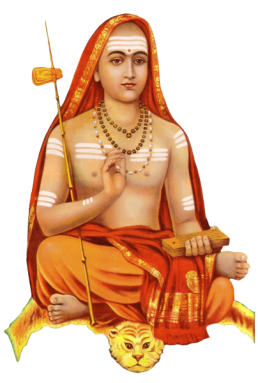
Ātmabodha – Verse 2 – Atma – 2-Bodho’nyasādhanebhyo – In Sanskrit with English Transliteration, Translation and Meaning – Translated by Swami Chinmayananda – Atmabodha-2
Atmabodha Commentary by Swami Paramarthananda
Ajñānaṁ, Jñāna Sādhanaṁ and Prayōjanam
Knowledge alone gives moksha
(Verse 2)
bōdhō’nyasādhanēbhyō hi sākṣātmōkṣaikasādhanaṁ | pākasya vahnivajjñānaṁ vinā mōkṣō na sidhyati ||
Śaṅkarācārya says that Ātma bōdha is not one of the means to mōkṣaḥ but it is the only means to mōkṣaḥ, which means the mumukṣūs have no choice.
So now the question is, if Ātma bōdha alone is the means to mōkṣaḥ, why do the scriptures prescribe so many sādhanās? Scriptures talk about japā, pilgrimage, pūjā, and about millions of sādhanās. So does this mean that the scriptures are talking about vyartha sādhanās – invalid means? For that Śaṅkarācārya says they are also sādhanaṁ to mōkṣā but they are not sākṣāt sādhanaṁ – direct means; they are all pāramparya sādhanaṁ – Only indirect means to mōkṣa. They cannot directly do anything. Bōdhaḥ here means Ātma bōdhaḥ. Sākṣāt sādhanaṁ means avyavahita sādhanaṁ – gapless means; immediate means; direct means.
So between other sādhanās and mōkṣaḥ there is no definite vyāpti – there is no definite relationship but between jñānaṁ and mōkṣaḥ the relationship is direct and definite. Anya sādhanaṁ means it can be karmā yōgā, upāsanā, aṣṭāṅga yōgā etc. A person may be an expert in yama, niyama etc. upto samādhi. He may go upto samādhi but as long as Ātma jñānaṁ is not there, mōkṣaḥ cannot be attained.
There is a hymn known as Anātmaśrīvigarhaṇa Stōtram of Śaṅkarācārya in which he says:
dhāturlōkaḥ sādhitō vā tataḥ kiṁ? viṣṇōrlōkō vīkṣitō vā tataḥ kiṁ ? śambhōrlōkaḥśāsitō vā tataḥ kiṁ ? yēna svātmā naiva sākṣātkṛtō’bhūt
He says, “You might have reached Brahma lōkā, you might have peeped into Viṣṇu lōkā, you might have ruled over Śiva lōkā – tataḥ kiṁ? So what? You may undertake all these global visits but as long as you don’t know your own self, all these global visits do not matter.
He goes on to say:
vahnirjagdhō lājavadvā tataḥ kiṁ So what if you can eat fire? That can be done by some fire eating bird also. So can it get mōkṣā?
And abdhiḥ padbhyāṁ laṅghitō vā tataḥ kiṁ You may cross the ocean by walking over the water. So what? You may do all these things. So what?
yēna svātmā naiva sākṣātkṛtō’bhūt. As long as you don’t know your own self, all those accomplishments do not matter. There are 19 such ślōkās. In each one he enumerates a number of such feats. And finally he says all these feats do not matter. Only Ātma jñānaṁ can lead to mōkṣā.
Now he gives the dṛṣṭānta. Agni is the only means or sādhanaṁ for cooking (pākasya vahnivat). But for this purpose we may need to have a number of other necessary things. We may need a vessel, some water, gas line etc. But eventually the one thing that we require for cooking is heat i.e agniḥ. Normally we give the example of removing darkness and say that light alone is the means of removing darkness. But here Śaṅkarācārya gives the example of agni which alone is the means for cooking. The example of cooking is given because everybody knows it very well.
Without knowledge, mōkṣā is never possible.