अप्राणो ह्यमनाः शुभ्र इत्यादिश्रुतिशासनात्।।33।।
Aprāṇo hyamanāḥ śubhra ityādiśrutiśāsanāt..33..
अमनस्त्वात् (amanastvāt) – because of not being the mind
न (na) – not
मे (me) – for me
दुःखरागद्वेषभयादयः (duḥkharāgadveṣabhayādayaḥ) – sorrow, attachment, malice, fear and so on
अप्राणः (aprāṇaḥ) – without prāṇa
हि (hi) – verily
अमनाः (amanāḥ) – without mind
शुभ्रः (śubhraḥ) – pure
इत्यादिश्रुतिशासनात् (ityādiśrutiśāsanāt) – and so on, for the scriptures declare
Atmabodha – Home Page
Introduction
Qualified Student – Verse 1
Self-Knowledge – Verse 2
Self-Knowledge – Verse 3
Self-Knowledge – Verse 4
Self-Knowledge – Verse 5
The World – Verse 6
The World – Verse 7
The World – Verse 8
The World – Verse 9
The Upadhis – Verse 10
The Upadhis – Verse 11
The Upadhis – Verse 12
The Upadhis – Verse 13
The Upadhis – Verse 14
Error of misapprehension – Verse 15
Error of misapprehension – Verse 16
Error of misapprehension – Verse 17
Error of misapprehension – Verse 18
Error of misapprehension – Verse 19
Error of misapprehension – Verse 20
Error of misapprehension – Verse 21
Error of misapprehension – Verse 22
Error of misapprehension – Verse 23
Error of misapprehension – Verse 24
The birth of the Ego – Verse 25
The birth of the Ego – Verse 26
The birth of the Ego – Verse 27
The birth of the Ego – Verse 28
The birth of the Ego – Verse 29
The birth of the Ego – Verse 30
The birth of the Ego – Verse 31
The birth of the Ego – Verse 32
The birth of the Ego – Verse 33
The birth of the Ego – Verse 34
The birth of the Ego – Verse 35
The birth of the Ego – Verse 36
The birth of the Ego – Verse 37
Towards Realization – Verse 38
Towards Realization – Verse 39
Towards Realization – Verse 40
Towards Realization – Verse 41
Towards Realization – Verse 42
Towards Realization – Verse 43
Towards Realization – Verse 44
Towards Realization – Verse 45
Towards Realization – Verse 46
Towards Realization – Verse 47
Towards Realization – Verse 48
Towards Realization – Verse 49
Towards Realization – Verse 50
Towards Realization – Verse 51
Towards Realization – Verse 52
Towards Realization – Verse 53
Revelling in Freedom – Verse 54
Revelling in Freedom – Verse 55
Revelling in Freedom – Verse 56
Revelling in Freedom – Verse 57
Revelling in Freedom – Verse 58
Revelling in Freedom – Verse 59
Revelling in Freedom – Verse 60
Realization – Verse 61
Realization – Verse 62
Realization – Verse 63
Realization – Verse 64
Realization – Verse 65
Realization – Verse 66
Realization – Verse 67
The Promise of Fulfillment – Verse 68
Closing – Verse 69
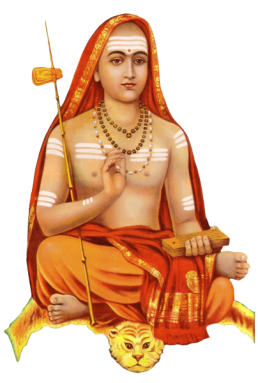
Ātmabodha – Verse 33 – Atma – 33-Amanastvānna me – In Sanskrit with English Transliteration, Translation and Meaning – Translated by Swami Chinmayananda – Atmabodha-33
Atmabodha Commentary by Swami Paramarthananda
Agitated Vs Peaceful state
(Verse 33)
amanastvānna mē duḥkharāgadvēṣabhayādayaḥ | aprāṇō hyamanāḥ śubhraḥ ityādi śrutiśāsanāt ||
When we say ahaṁ Brahma asmi, another doubt that will come is that I have so many worries, all the time I am agitated and tense, whereas, Brahman is said to be śāntaṁ śivaṁ niṣkalaṁ etc. How can Brahman the embodiment of peace and I, the embodiment of agitation, be identical?
For that Śaṅkarācārya gives the answer. Whenever we say agitiation, again it refers to manō vṛtti which belongs to Anātmā. And ‘I’ the Ātmā has no connection to the mind at all. Because mind is mithyā and ahaṁ is satyaṁ. And therefore amanastvāt – since ‘I’ am totally free from the mind – duḥkha rāga dvēṣa bhayādayaḥ na mē santi. Na mē santi – for ‘me’ they are not there. ‘They’ refers to duḥkha – sorrow; rāga – attachment; dvēṣa – hatred; bhaya – fear – ādi padāt kāma, krōdha, lōbha mōha, mada, mātsaryaṁ etc. – all of them.
How do we know that Ātmā is free from mind, body etc? He gives the Śruti quotation here also; Aprāṇō hyamanāḥ śubhraḥ ityādi śrutiśāsanāt. Divyō hyamūrtaḥ puruṣaḥ sa bāhyābhyantarō hyajaḥ. Aprāṇō hyamanāḥ śubhrō hyakṣarātparataḥ parah: Muṇḍakōpaniṣat. So since Ātmā is free from prāṇaḥ, is free from manaḥ and is śubhraḥ, meaning Ātmā is free from ignorance also, Ātmā is sūkṣma śarīra rahitaṁ, kāraṇa śarīra rahitaṁ. Śubhraṁ refers to kāraṇa śarīra rahitaṁ. Aprāṇō hyamanāḥ refers to sūkṣma śarīra rahitaṁ. And divyō hyamūrtaḥ – here amūrtaḥ refers to Sthūla śarīra rahitaṁ. Thus Ātmā is Sthūla, sūkṣma, kāraṇa śarīra rahitaṁ.
Here we should note a subtle difference. First we say Ātmā is different from three śarīraṁs. Next we say Ātmā is free from three śarīraṁs. Can you see the difference?
• When we say Ātmā is different from three śarīraṁs, we don’t negate the three śarīraṁs. The three śarīraṁs are there, Ātmā is different from them. Here there is dvaitaṁ. If I say I
am different from you, it would mean that I am there and you are also there. Similarly first I say Ātmā is Sthūla sūkṣma kāraṇa śarīrāt vyatiriktaḥ. This is only the first stage.
• Later I should say that the Sthūla sūkṣma kāraṇa śarīraṁs are not at all there. First we accept that they are existent. Later we say that the three śarīraṁs are not at all there. They are adhyāsā. They are kāryaṁ, māyikaṁ, nāma rūpaṁ. Therefore, prapañcāḥ naasti. Ityādi śruti śāsanāt. Śāsanāt means vākyāt.
And therefore, whenever we say ahaṁ Brahma asmi, we should be clear about the meaning of ahaṁ. When saying ahaṁ if we are referring to the śarīraṁs, it would mean we remember only our relative status like brother, sister etc. So when I say “you are Brahman” – you should have got out of your body, mind, intellect etc. and as caitanyaṁ, ahaṁ Brahma asmi, is correct.
So this is how sandēha nivṛtti has to be done.